
Prepregs & Fabrics
Outlook: Thermoplastic Prepreg Market Growth
Procurement teams should anticipate slower raw material consolidation, tighter grade standardization, and a shift toward recyclable processing. This outlook details five
Understand prepreg grades, fabric architectures, and handling requirements for consistent manufacturing and quality control outcomes.
Procurement teams should anticipate slower raw material consolidation, tighter grade standardization, and a shift toward recyclable processing. This outlook details five
Woven composite fabrics provide high stiffness and predictable in-plane properties, while knitted fabrics offer superior drape and conformability. The choice depends on

Sourcing prepreg requires balancing price against delivery speed. This guide outlines how fiber type, storage, and transport affect quotes, shows how to write a clear

The prepreg and fabric market is shifting toward tighter chemical controls, automated quality checks, and more specialized fabric architectures. Buyers should update
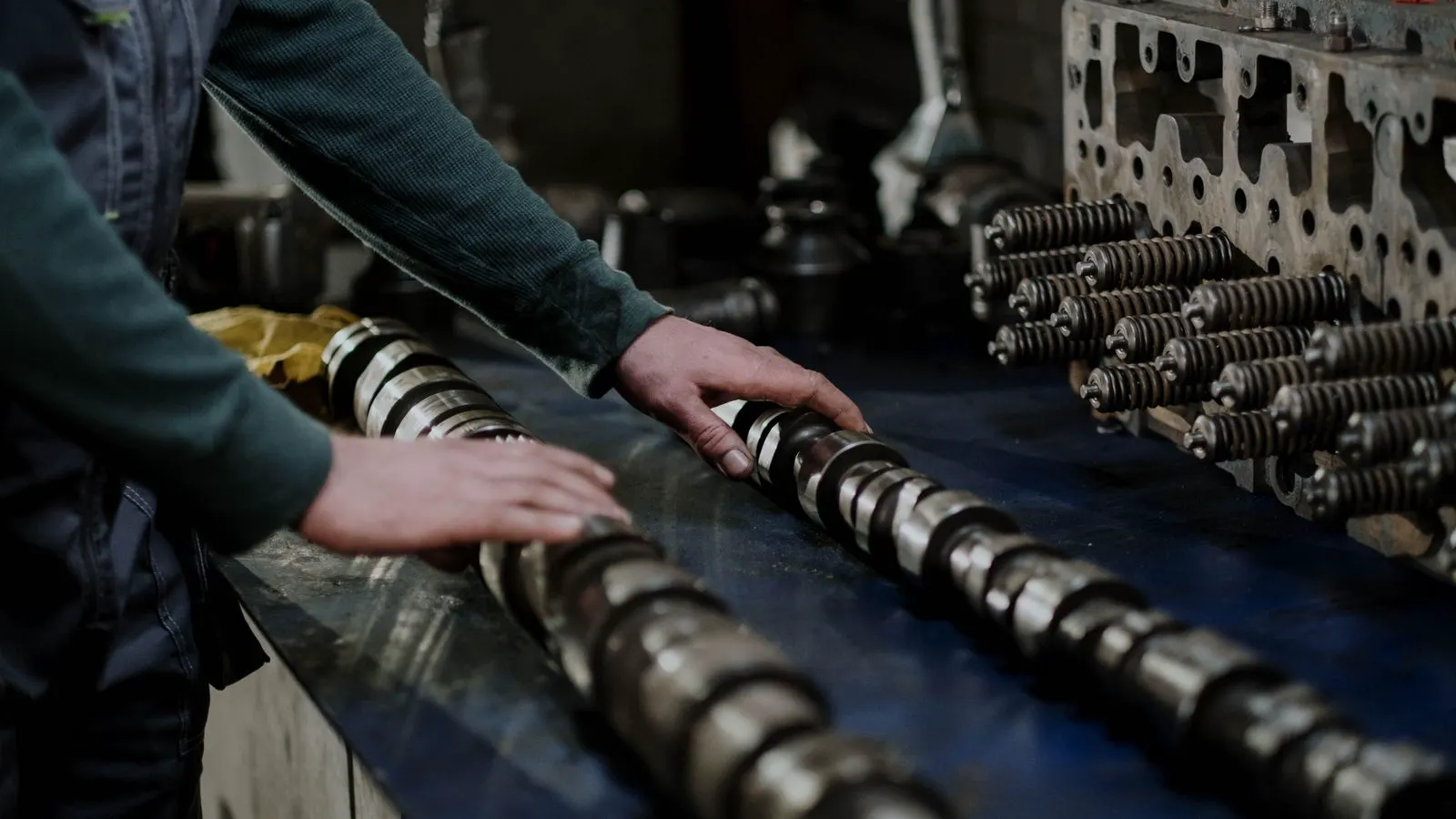
Common prepreg handling defects include wrinkles, voids, and delamination. This guide lists symptoms, likely causes, and practical fixes. It also provides prevention
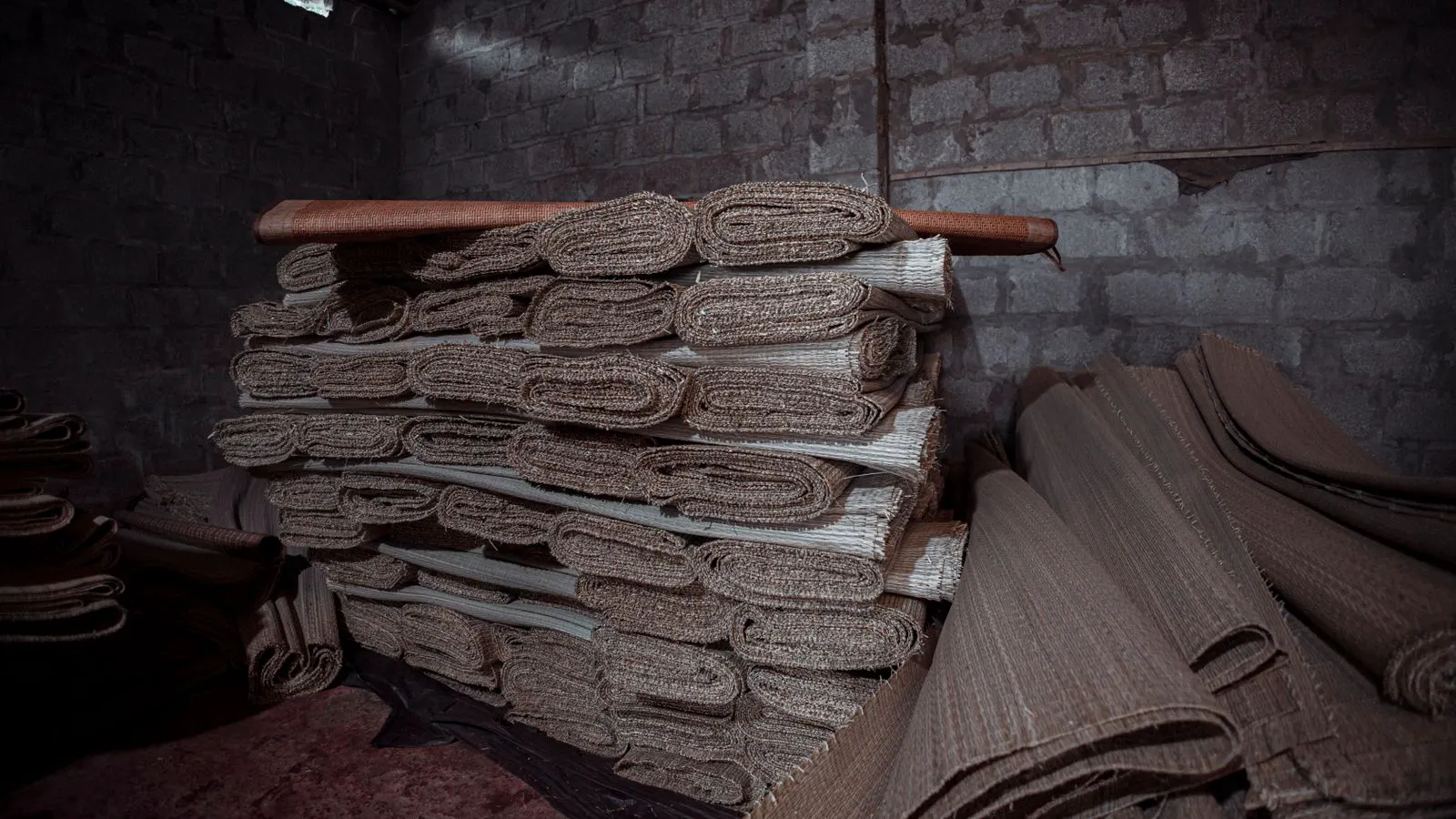
A practical checklist for preparing composite fabrics before production. It covers verifying prepreg grades, checking storage conditions, inspecting fabric architecture

Humidity degrades prepreg quickly. This guide provides practical prepreg handling procedures, including climate control, material tracking, and layup timing, to keep
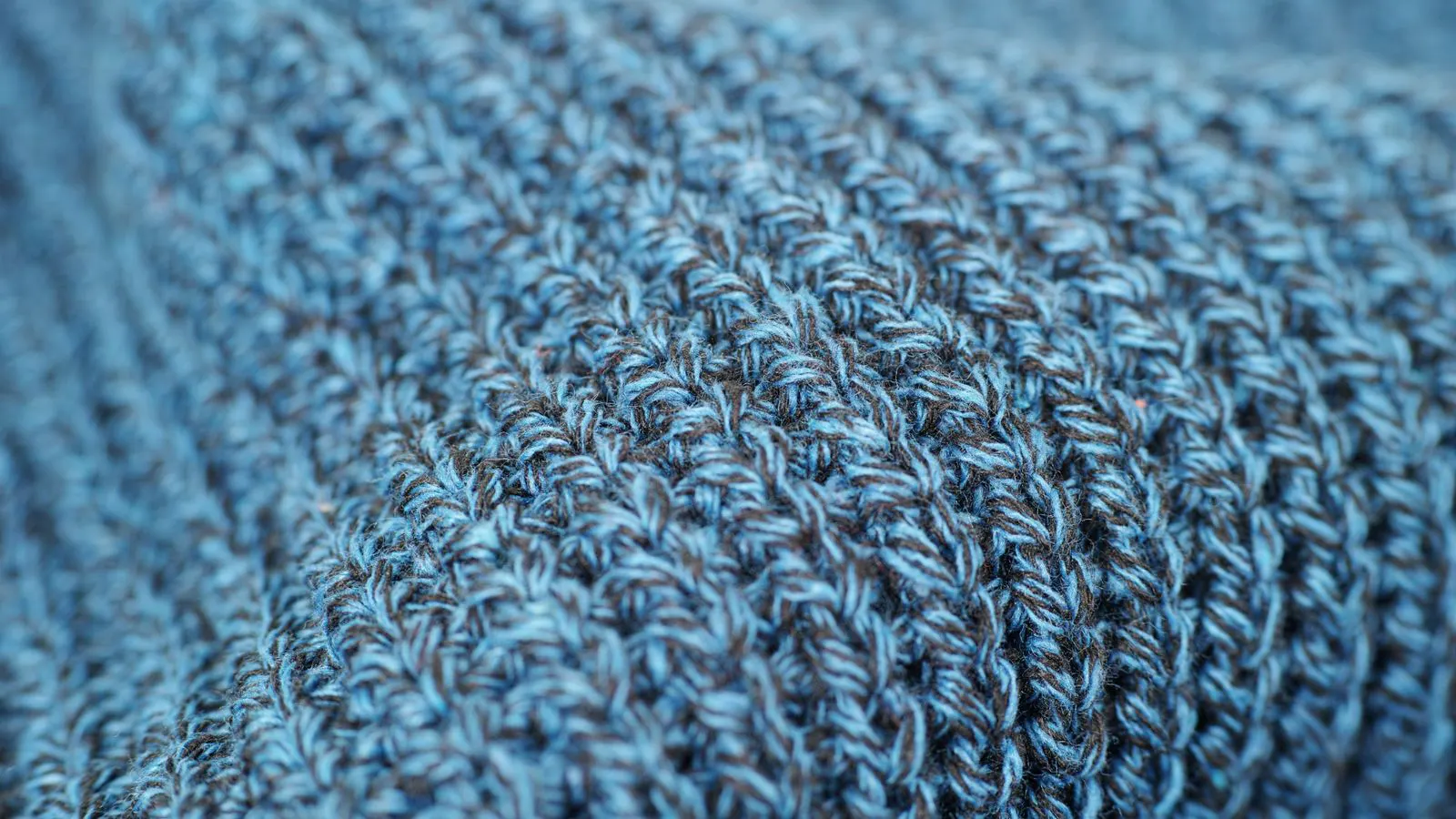
Fabric architecture determines composite stiffness by controlling how load transfers between fibers and resin. Weave type, density, and fiber orientation set the

Correct prepreg handling prevents moisture uptake and resin degradation. This guide explains storage protocols, handling procedures, and how to match prepreg grades to