Comparison: Woven vs. Knitted Composite Fabrics
Woven composite fabrics provide high stiffness and predictable in-plane properties, while knitted fabrics offer superior drape and conformability. The choice depends on part geometry, required mechanical performance, and production constraints.
- Woven fabrics deliver high in-plane stiffness and predictable load paths but require careful handling for complex geometries.
- Knitted fabrics drape over curves and corners more easily, reducing the risk of wrinkles and voids during layup.
- Fabric architecture directly influences composite stiffness, so the selection must align with the part's structural requirements.
- Prepreg handling differs between the two types, affecting layup speed, defect rates, and production planning.
Why fabric architecture matters
The choice between woven and knitted composite fabrics is a structural decision that dictates stiffness, drape, and behavior during layup. A part designed for high in-plane load may fail if the fabric cannot carry the load efficiently. Conversely, a complex curved surface may develop wrinkles or voids if the fabric lacks the drape to conform. Fabric architecture defines how the threads intersect. Woven fabrics use a plain, twill, or satin weave where warp and weft threads cross at right angles. Knitted fabrics use loops that interlock in a different pattern, often with a bias structure. These differences change how the composite part transfers force and how the fabric responds to bending and stretching.
How woven and knitted fabrics differ in structure
Woven fabrics are produced on a loom. The warp threads run lengthwise, and the weft threads run crosswise. The interlacing pattern determines the fabric’s mechanical behavior. Plain weave interlaces every thread, creating a fabric that is relatively stiff and stable in both directions. Twill and satin weaves shift the interlacing pattern to improve drape slightly or increase strength in one direction. For example, a satin weave might be used in a wing skin where the primary load is along the length, while a twill weave might be selected for a floor panel that needs balance in both axes.
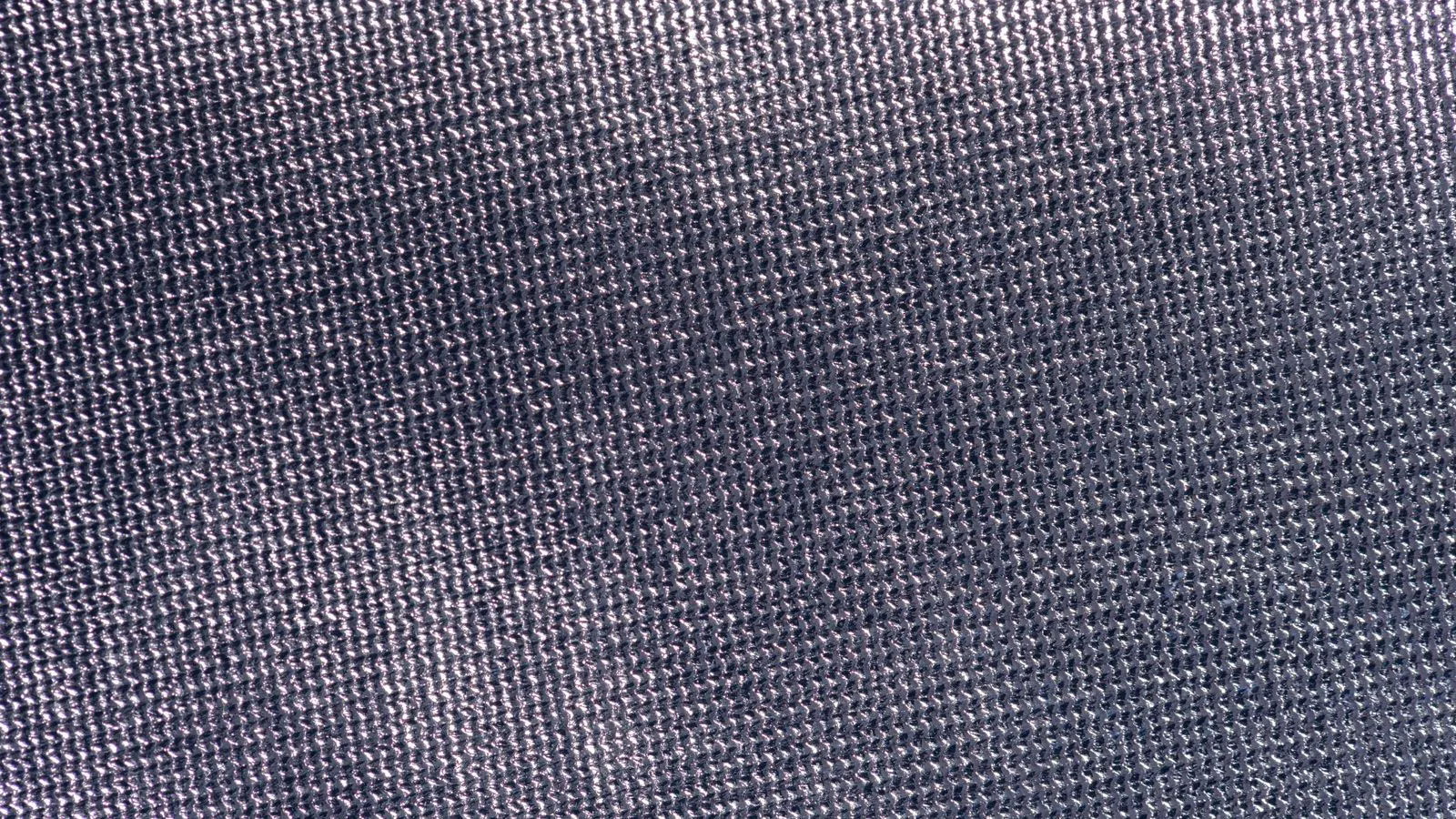
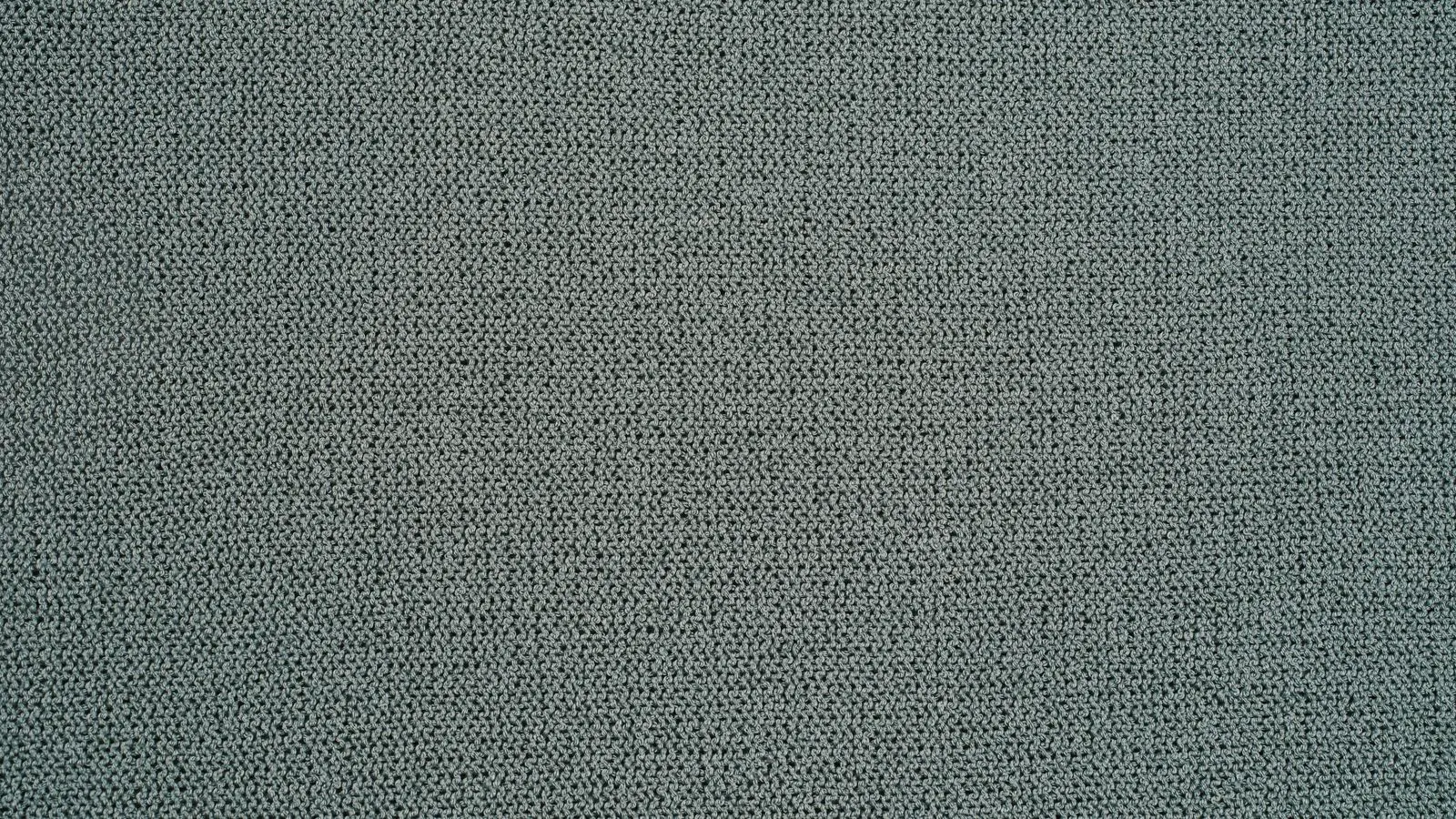
Knitted fabrics are produced on a knitting machine. Each yarn is looped into a series of interlocking stitches. The loops can be arranged in a plain knit, rib, or double-knit pattern. This loop structure gives knitted fabrics a different feel. They are generally softer and more flexible when dry, and they conform to curved shapes with less resistance. Imagine holding a knitted T-shirt against a curved surface. It stretches and wraps without creating sharp creases. A woven sheet, by contrast, resists that same motion.
Comparison of woven and knitted composite fabrics
The table below summarizes the main differences between woven and knitted composite fibers for structural parts.
| Option | Best for | Limitations |
|---|---|---|
| Woven fabric | High stiffness parts, flat panels, aerospace skins, structural frames | Difficult to lay over sharp corners and complex curves; higher risk of wrinkles on tight radii |
| Knitted fabric | Curved surfaces, organic shapes, automotive panels, wind turbine blades | Lower in-plane stiffness than equivalent woven fabric; higher cost per meter for high-performance grades |
| Hybrid or mixed architecture | Parts combining flat and curved sections; multi-material layups | Requires careful layer sequencing and may complicate material tracking |
| Pre-preg woven fabric | Automated layup, high-volume production, tight quality control | Requires controlled storage and layup windows; sensitive to moisture and temperature |
| Pre-preg knitted fabric | Manual layup of complex shapes, small-batch production | Less common in high-volume lines; handling can be trickier due to drape |
When to pick woven fabric
Woven fabric is the default choice when in-plane stiffness is the primary design driver. For a wing skin, a floor panel, or a structural spar cap, the load travels mostly along the fiber direction. Woven fabric provides a continuous, predictable path for that load. The plain weave pattern, in particular, offers balanced biaxial stiffness that is easy to model and verify. If you are designing a chassis for an electric vehicle where torsional rigidity is critical, woven carbon fabric allows for precise control of the fiber orientation. The stiffness is consistent, and the failure modes are well understood by engineers.
Woven fabric also suits high-volume production. Automated layup lines can place woven sheets with high precision. The fabric is stable, so it does not shift during placement. This consistency reduces defects and speeds up inspection. If your part has a long, straight layup and the stiffness requirements are high, woven fabric is usually the safer bet. The material holds its shape on the layup table, which reduces the chance of misalignment during the transfer to the mold.
When to pick knitted fabric
Knitted fabric shines when the part geometry is difficult. A car door, a motorcycle fairing, or a turbine blade often has multiple curves and transitions. Forcing a stiff woven sheet into that shape creates wrinkles, folds, or gaps. Knitted fabric drapes naturally, allowing the material to follow the mold without excessive tension. This reduces voids and improves resin-to-fiber wetting. Consider a complex automotive interior panel. A woven sheet might crack at the stress points where the curvature changes, while a knitted ply will stretch and fit the mold smoothly.
Knitted fabric is also useful for multi-ply layups where each ply must conform to a different curvature. The flexibility of the knit lets the material adapt to the local mold shape. This is particularly useful in manual layup operations, where the technician can adjust the fabric as it is placed. The result is a cleaner part with fewer surface defects. In a small-batch production run for a custom boat hull, the knitted fabric allows the layup technician to work around complex fairings without creating thick spots or thin areas.
How prepreg handling affects the decision
Prepreg handling is a major factor in the final choice. Woven prepreg is typically supplied as a sheet or roll. It is stable and easy to cut, but it can be stiff to handle. When placing it on a mold, the fabric may resist conforming to a curve, leading to wrinkles. Operators often need to work quickly to place the material before it stiffens further. The prepreg is sensitive to temperature and humidity, so the storage and handling conditions must be tightly controlled.
Knitted prepreg is softer and more pliable. It drapes over a mold with less effort, which can reduce layup time on complex shapes. However, the same drape that helps conform the material can cause it to shift or bunch if not secured. Operators must use pins, tape, or vacuum bags carefully to hold the fabric in place. The prepreg window is still critical, and the fabric must be laid before it exceeds its layup time. If the knitted prepreg is left to sit too long, it may begin to exotherm or stiffen, making it difficult to lay up properly.
Impact on composite stiffness
Fabric architecture affects the final composite stiffness. Woven fabric, with its orthogonal structure, typically provides higher in-plane stiffness than a knitted fabric of the same fiber volume fraction. This is because the threads are locked in a stable grid that resists stretching in both directions. Knitted fabric, with its looped structure, is more compliant. It stretches more under load, which reduces the stiffness of the final laminate.
This difference matters for parts where deflection is critical. A wing spar cap, for example, needs high stiffness to limit bending. A knitted fabric may not deliver the same stiffness unless the fiber volume fraction is increased or the laminate is thicker. Engineers must account for this in their calculations. If stiffness is a hard requirement, woven fabric is usually the starting point. The design team might use a finite element model to predict the deflection of the part with both fabric types and compare the results against the allowable limits.
Practical considerations for production
Production planning must account for the fabric choice. Woven fabric is easier to automate because it is stable and predictable. Cutting patterns are straightforward, and placement is repeatable. Knitted fabric may require manual placement or specialized equipment to manage its drape. The layup process may be slower, but the risk of defects on complex surfaces is lower. The production line must be designed to handle the specific characteristics of the fabric. For example, an automated layup line for woven fabric might use a gantry to place the sheets, while a line for knitted fabric might use a robotic arm to adjust the fabric as it is placed.
Cost and availability also matter. Woven fabric is widely available and often less expensive per square meter than knitted fabric of the same fiber type. Knitted fabric can be more expensive due to the complexity of the knitting process and the lower production rates for high-performance grades. For small-batch or one-off parts, the higher cost of knitted fabric may be justified by the reduced defect rate and improved part quality. The total cost of ownership must be considered, including the cost of inspection, rework, and potential field failures.
Final selection criteria
The selection between woven and knitted composite fabrics depends on the part’s geometry, stiffness requirements, and production method. For flat, high-stiffness parts, woven fabric is the better choice. For complex, curved surfaces, knitted fabric offers superior drape and conformability. The prepreg handling process must also be considered, as it affects layup speed and defect risk.
Engineers should model the fabric architecture in their simulations to predict the final stiffness. They should also test the layup process on a sample part to check for wrinkles, voids, and handling issues. The best fabric is the one that meets the structural requirements while fitting the production workflow. There is no universal answer, but the trade-offs are clear and well understood.
Frequently asked questions
Can woven and knitted fabrics be used in the same part?
Yes, a part can use woven fabric in flat, high-stiffness areas and knitted fabric in curved, conforming areas. The layer sequence must be planned to ensure proper wetting and avoid defects at the transition.
Is knitted fabric always weaker than woven fabric?
Not necessarily. Knitted fabric can have high strength, but it generally has lower stiffness than an equivalent woven fabric. The exact values depend on the fiber type, volume fraction, and knit pattern.
How does prepreg moisture affect woven and knitted fabrics differently?
Both are sensitive to moisture, but knitted fabric's drape can be affected by moisture absorption, changing its handling behavior. Woven fabric may stiffen more noticeably when it absorbs moisture, making layup more difficult.
Which fabric is better for automated layup?
Woven fabric is generally better for automated layup because it is stable and easy to place. Knitted fabric can be automated, but the drape requires more careful control to prevent shifting or bunching.
How do I choose the fiber volume fraction for a knitted fabric part?
Start with the required stiffness and deflection limits. If the knitted fabric's lower stiffness is a concern, increase the volume fraction or add more plies. Always verify with a test coupon and a representative layup.