Carbon Fiber
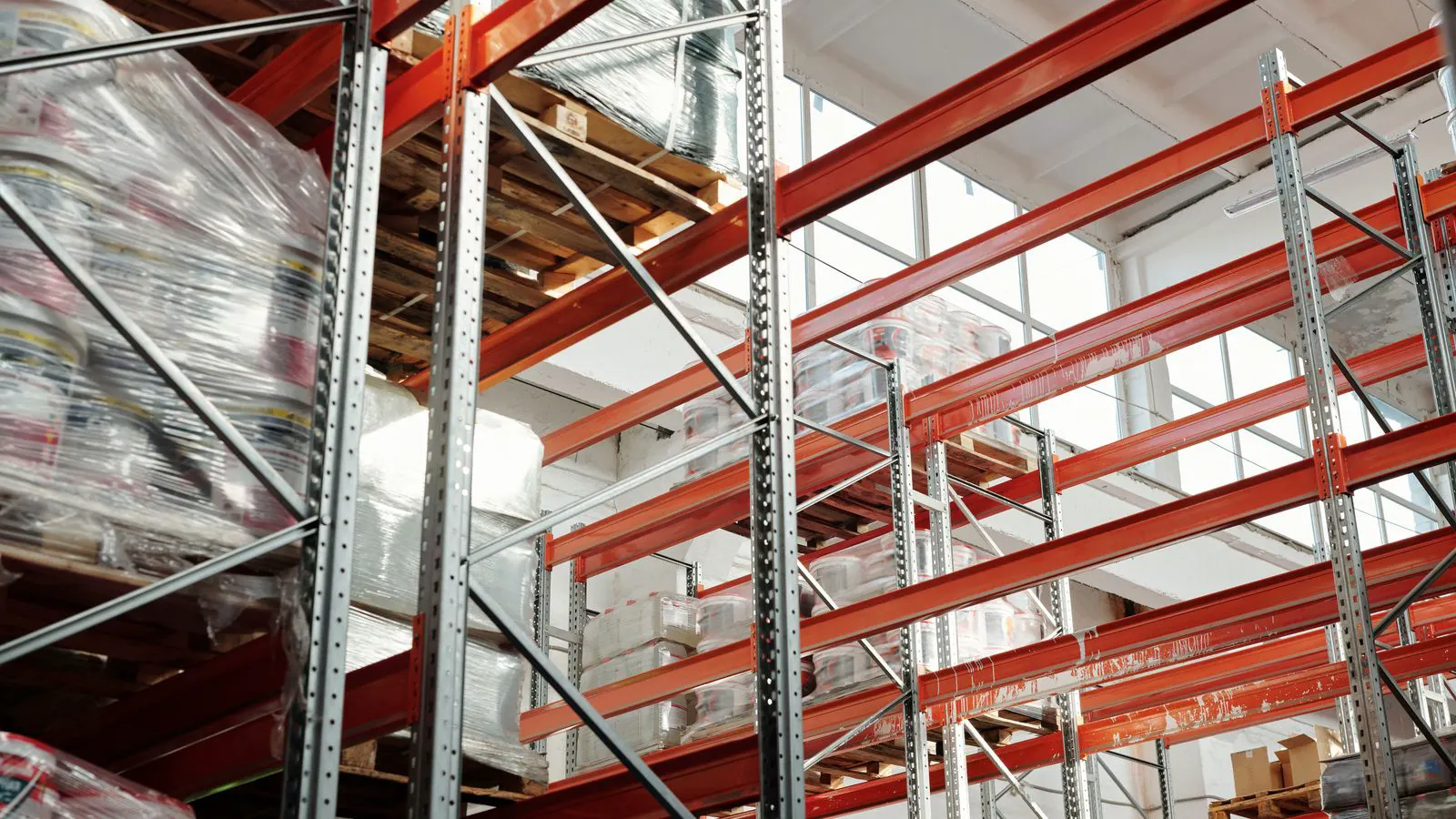
Carbon Fiber Prepreg Storage and Handling Checklist
This guide provides a structured checklist for carbon fiber prepreg storage and handling. It covers temperature, humidity, date control, and documentation to ensure
Learn about carbon fiber types, layup options, and practical applications for engineering design and procurement decisions.
This guide provides a structured checklist for carbon fiber prepreg storage and handling. It covers temperature, humidity, date control, and documentation to ensure

Delamination and surface defects in carbon fiber parts usually stem from moisture, poor resin flow, or improper cure. Identify symptoms early, isolate the cause, and

Carbon fiber properties define its performance in structural applications. Tensile strength handles pull loads, flexural strength manages bending, and thermal resistance

The carbon fiber selection checklist verifies material grade, resin compatibility, layup geometry, and processing parameters. It helps engineers confirm that the

Carbon fiber offers higher stiffness and strength-to-weight ratios than glass fiber, making it suitable for performance-critical parts. Glass fiber provides better cost
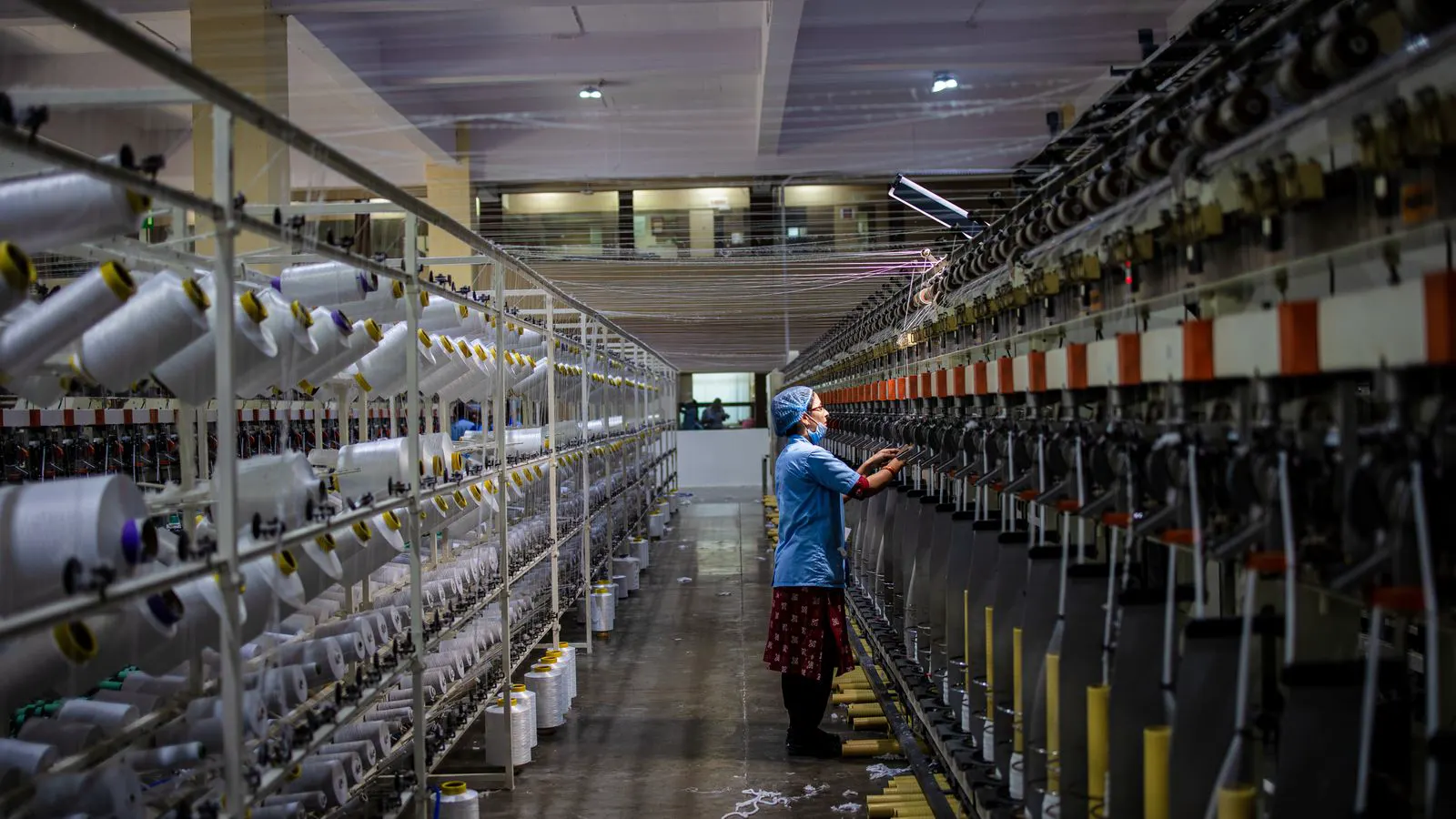
Carbon fiber costs and delivery times depend on fiber grade, fabric form, resin system, quantity, and logistics. Buyers should define specs clearly in RFQs, request full

Choose a carbon fiber layup by defining load paths, selecting fiber orientation, and matching resin systems to service conditions. This guide walks you through the

Carbon fiber applications in renewable energy and transport focus on weight reduction, fatigue resistance, and high-strength-to-weight ratios. Buyers should plan for

Choose carbon fiber by matching fiber architecture, resin chemistry, and ply thickness to your strength, stiffness, and weight targets. Verify material grades, curing