Carbon Fiber Prepreg Storage and Handling Checklist
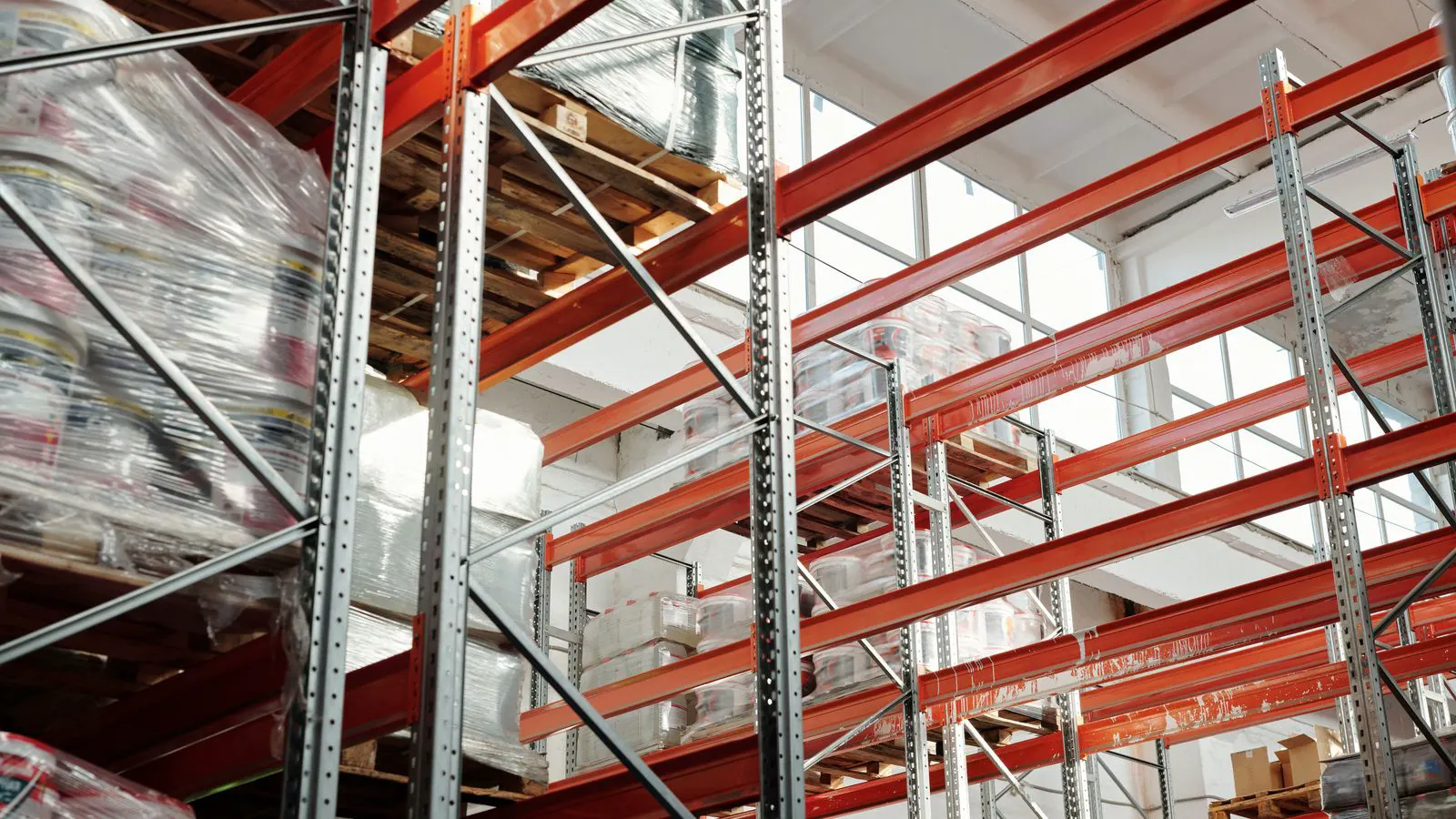
This guide provides a structured checklist for carbon fiber prepreg storage and handling. It covers temperature, humidity, date control, and documentation to ensure quality assurance before production begins.
- Prepreg must be stored at a controlled temperature and humidity to prevent resin degradation and laminate defects.
- Date and lot tracking is mandatory to verify material freshness and traceability during quality audits.
- Physical damage to the film or wrap is a critical failure point that can lead to contamination or delamination.
- A formal sign-off process is required to confirm that storage conditions met specifications before the material enters production.
Why Prepreg Storage Fails Before the Layup
Carbon fiber prepreg is a sensitive material. The resin system is chemically active, and the structural carbon fiber architecture is easily damaged by improper storage. When handling prepreg, the goal is to maintain the material in a state where it lays up predictably and cures to the expected mechanical properties.
Storage failure is rarely a single event. It usually comes from small deviations in temperature, humidity, or time management. A roll that sits too long in a warm room, or a batch that loses its temperature history, will show up as delamination, poor wet-out, or surface defects on the final part.
This checklist is built for engineers, quality managers, and production supervisors. It is designed to be copied directly into a quality management system or printed for a production floor audit. It assumes a standard thermoplastic or thermoset prepreg system. The specific temperature and humidity limits will vary by resin supplier and part design, so always verify against the current material data sheet.
Pre-Production Storage Condition Verification
Before the first roll leaves storage, the environment must be verified. This is not a one-time check. It is an ongoing condition that must be documented.
- Verify ambient temperature: Check the storage room temperature. It must be within the range specified by the resin manufacturer. Deviations above the limit accelerate resin exotherm and change the rheology of the matrix.
- Verify relative humidity: Check the humidity levels. High humidity can cause moisture absorption in the carbon fiber, leading to voids and reduced interlaminar strength.
- Check storage duration: Record the time the material has been in storage. Prepreg has a shelf life. Once the date limit is exceeded, the material must be quarantined.
- Inspect storage racks: Ensure racks are clean, dry, and free of chemical residues. The prepreg must not come into contact with oils, solvents, or other contaminants.
- Review ventilation: Confirm that the storage area is ventilated. Stagnant air in a warm room creates localized hot spots that degrade material faster than the average temperature suggests.
If any of these parameters are out of range, do not release the material to production. The storage area must be corrected, and the material must be re-evaluated before use.
Moisture Control and Environmental Monitoring
Moisture control is the single most critical factor in prepreg handling. Carbon fiber is hygroscopic. It absorbs water vapor from the air. When the prepreg is heated for layup or cure, this absorbed moisture expands and creates voids or micro-pockets in the laminate.
The following table outlines typical environmental parameters for storage. These are general industry baselines. You must always prioritize the specific data sheet provided by your resin supplier.
| Parameter | Typical Storage Range | Failure Consequence |
|---|---|---|
| Temperature | 5°C to 20°C | Accelerated resin degradation, tackiness |
| Relative Humidity | 30% to 50% | Moisture absorption, void formation |
| Airflow | Controlled, filtered | Localized heating, dust contamination |
| Light Exposure | Low / Indirect | UV degradation of resin matrix |
Red Flag: The storage area temperature fluctuates by more than 5°C between day and night. This indicates poor insulation or HVAC failure.
Red Flag: The humidity level consistently exceeds 60% RH. This suggests a leak in the storage area or a failure of the dehumidification system.
To manage moisture, use a calibrated data logger. Do not rely on a manual hygrometer. A data logger records the environment continuously and provides a traceable record for quality assurance.
Date, Lot, and Traceability Management
Quality assurance relies on traceability. If a part fails, you must be able to trace it back to the specific roll of prepreg, the specific date it was laid up, and the specific environmental conditions during storage.
- Check the lot number: Verify that the lot number on the roll matches the purchase order and the material data sheet.
- Check the manufacture date: Confirm the date the prepreg was manufactured. This establishes the start of the shelf life.
- Check the expiry date: Confirm the date by which the material must be used. Do not use material past this date without a formal waiver.
- Verify storage history: Check if the material has been thawed and re-frozen. This process can introduce condensation inside the wrap.
- Review the quarantine log: Check if the material has been in quarantine for any reason. If so, verify the resolution.
Red Flag: Missing or faded lot numbers on the roll wrap. This makes traceability impossible.
Red Flag: A roll that has been opened and re-wrapped without a new date stamp. This breaks the environmental history chain.
Use a color-coded or dated wrap system. When a roll is opened for layup, remove the original wrap and replace it with a new wrap that records the date and time of opening. This prevents confusion between fresh material and material that has been exposed to the shop floor.
Handling and Layup Procedure Controls
Handling is where the material transitions from storage to production. This step requires strict physical controls. The prepreg must be handled to prevent mechanical damage and contamination.
- Wear nitrile gloves: Skin oils and lotions can contaminate the carbon fiber surface. Nitrile gloves provide a barrier.
- Use dedicated tools: Do not use tools that have been used for other materials. Dedicated cutters, spacers, and rollers prevent cross-contamination.
- Check the cut pattern: Verify the cut pattern matches the layup plan. Incorrect cuts can cause fiber misalignment.
- Control the layup temperature: The prepreg must be at the correct temperature for layup. If it is too cold, it will not flow. If it is too warm, it may become tacky and stick to the mold.
- Minimize time of exposure: Prepreg should not sit on a layup table for extended periods. It should be laid up immediately after being cut and pre-heat.
Red Flag: Prepreg sticking to the layup table or mold. This indicates the temperature is too high or the material is expired.
Red Flag: Visible dust or fiber fuzz on the prepreg surface. This indicates a contamination issue in the layup area.
Use a clean, static-dissipating layup table. Avoid laying up prepreg in an area with open windows or high air movement. Dust is the most common cause of surface defects in carbon fiber parts.
Quality Assurance and Final Sign-Off
The final step is a formal sign-off. This is a quality assurance gate. No part can be produced until the sign-off is complete.
- Review the storage log: Confirm that all environmental parameters were within limits for the entire storage period.
- Review the handling log: Confirm that all handling procedures were followed.
- Inspect the material: Visually inspect the prepreg for wrinkles, tears, or discoloration.
- Verify the documentation: Ensure all labels, lot numbers, and dates are present and legible.
- Obtain the sign-off: The quality engineer or production supervisor must sign the document.
Red Flag: No sign-off on the quality document. This is a compliance failure.
Red Flag: A discrepancy between the storage log and the handling log. This indicates a break in the traceability chain.
The sign-off document should be retained with the part’s manufacturing records. It is a legal document that proves the material was handled correctly. In a quality audit, this document is the first thing an inspector will ask for.
Common Errors and Corrective Actions
Understanding common errors helps prevent them. The following table lists typical mistakes and how to correct them.
| Error | Symptom | Corrective Action |
|---|---|---|
| Overheating | Tacky prepreg, poor flow | Reduce storage temperature, increase ventilation |
| Over-humidification | Voids, delamination | Reduce humidity, check for leaks |
| Exceeding shelf life | Weak laminate, poor cure | Quarantine material, request supplier waiver |
| Contamination | Surface defects, poor adhesion | Clean area, replace tools, re-cut prepreg |
| Mechanical damage | Fiber breakage, wrinkles | Discard damaged roll, inspect remaining material |
If an error is detected, stop production immediately. Do not attempt to “fix” the material. The material must be evaluated by the supplier or a qualified engineer. In most cases, the material must be discarded.
Final Verification Checklist
Use this final checklist to confirm that all storage and handling requirements are met.
- Storage temperature: Verified within limits.
- Storage humidity: Verified within limits.
- Lot number: Matched to purchase order.
- Manufacture date: Verified.
- Expiry date: Verified.
- Storage history: Reviewed for re-freeze events.
- Gloves: Nitrile gloves used for handling.
- Tools: Dedicated tools used.
- Layup temperature: Verified.
- Quality sign-off: Obtained.
If any item is not checked, do not proceed. The cost of a quality failure is far greater than the cost of a delay. A well-documented prepreg handling process is the foundation of a reliable carbon fiber production line.
Frequently asked questions
What is the maximum storage temperature for carbon fiber prepreg?
The maximum temperature is specified by the resin supplier in the material data sheet. Typically, it is between 15°C and 20°C. Exceeding this temperature accelerates resin degradation.
How do I know if prepreg has been stored at too high a humidity?
High humidity causes moisture absorption in the carbon fiber. This leads to voids and delamination during cure. Use a calibrated hygrometer and a data logger to monitor humidity levels.
Can I use prepreg that is past its expiry date?
No. Prepreg past its expiry date has degraded resin properties. It must be quarantined. Contact the supplier for a formal waiver if you believe the material is still usable.
What should I do if the prepreg is sticky during layup?
Stickiness indicates the prepreg is too warm or expired. Stop the layup. Check the temperature. If the material is expired, discard it. If the temperature is too high, cool the material and re-evaluate.
Do I need to wear gloves when handling prepreg?
Yes. Skin oils and lotions contaminate the carbon fiber surface. Use clean nitrile gloves to prevent contamination and ensure a quality bond between the fiber and resin.