
Testing & Standards
Outlook: The Rise of Digital Twin Validation in Composites
Digital twin validation creates a virtual model of the composite production process to predict defects before they appear. Engineers are using this to shift from
Review common composite testing methods and standards used to verify material properties and production quality consistency.
Digital twin validation creates a virtual model of the composite production process to predict defects before they appear. Engineers are using this to shift from

Use this checklist to verify composite test certificates before acceptance. It covers supplier verification, quality documentation, and material compliance checks. A

Inconsistent composite inspection results usually stem from sample prep errors, wrong test parameters, or unclear material standards. This guide lists common symptoms

This practical checklist provides specific items for verifying raw materials, layup integrity, curing, and final inspection. It helps engineers maintain quality control

Material standards for composites are shifting from simple property checks toward full lifecycle verification, digital reporting, and sustainability compliance. Buyers

A reliable third-party lab requires verified accreditation, specific equipment for your material system, clear turnaround times, and transparent reporting. This guide

Composite material standards are agreed rules for materials, tests, and acceptance. They define what a composite is, how to test it, and what results are acceptable.
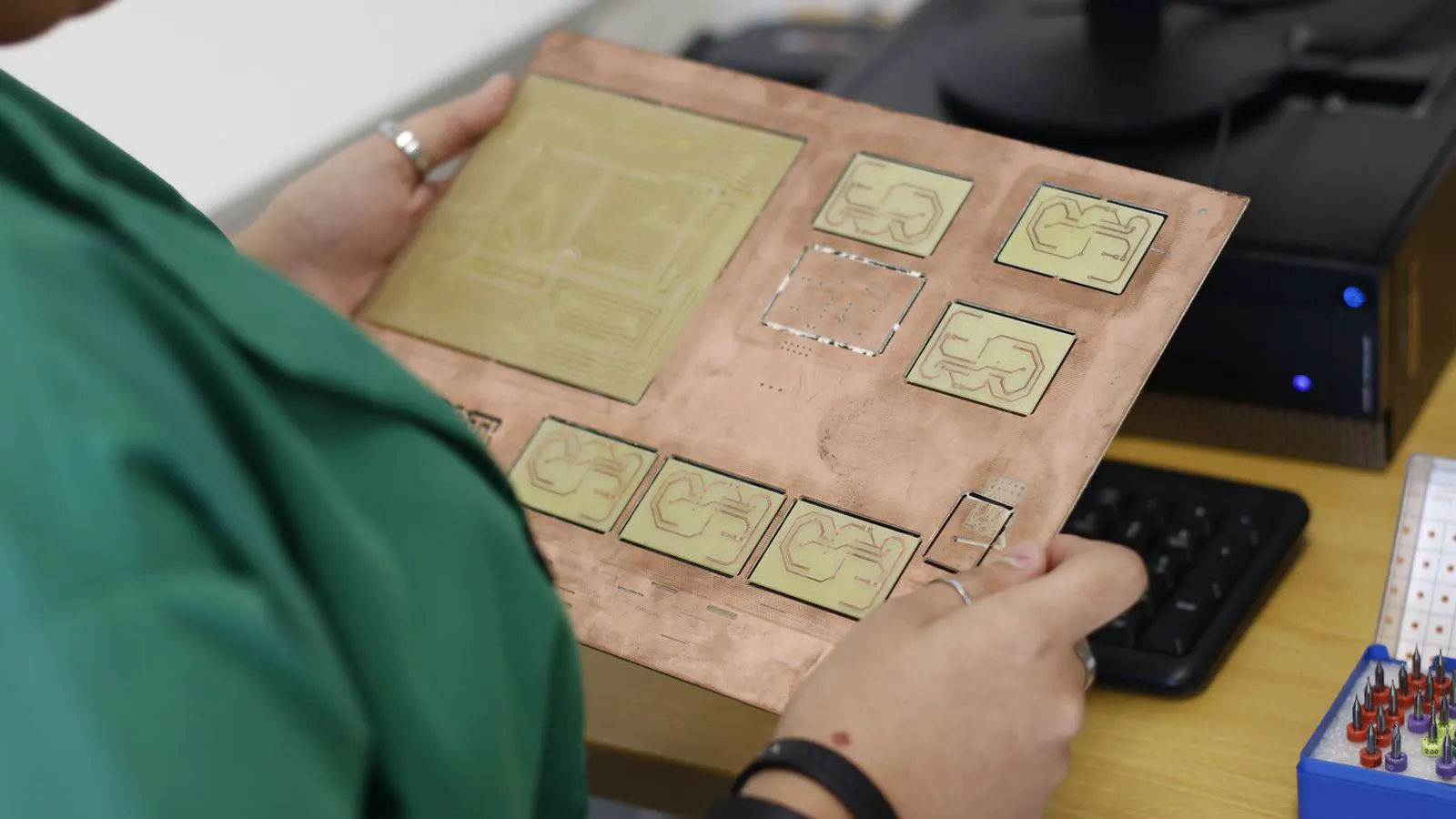
Composite testing costs and lead times shift with batch size. Small lots pay premiums for setup, while large lots benefit from volume efficiency. This guide breaks down
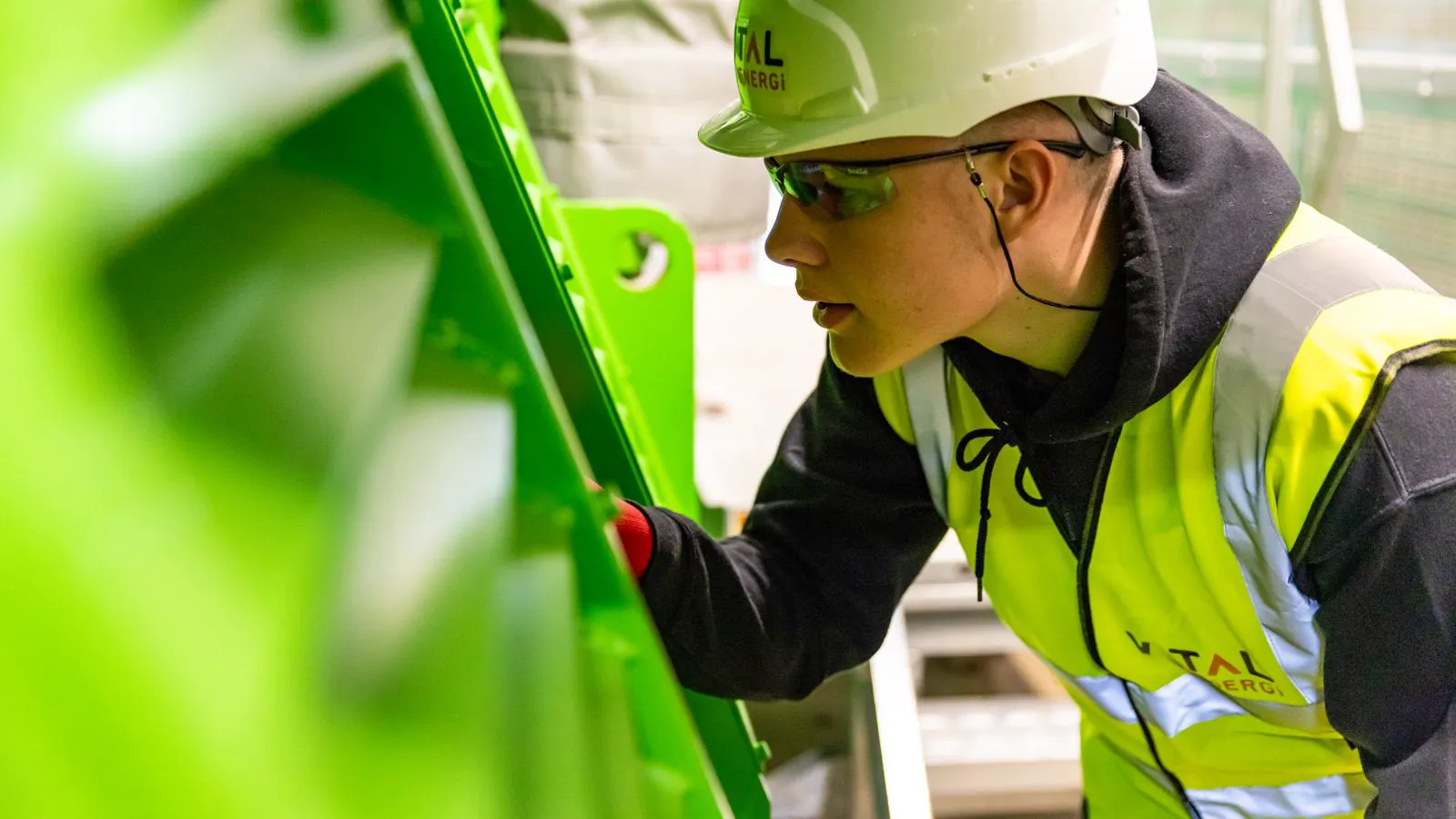
Establish a basic composite inspection lab by defining scope, selecting equipment, calibrating instruments, and documenting procedures. This guide covers the core steps

ISO 21709 and ASTM D790 both define flexural testing for composite materials. They differ mainly in specimen dimensions, test setup, and reporting requirements. Choose