Cost & Lead Time
Autoclave vs. Vacuum Infusion: Cycle Time and Cost Trade-offs
Autoclave curing offers superior quality and speed but high equipment cost. Vacuum infusion is slower but cheaper per unit. The choice depends on part volume, quality
Get practical guidance on material costs, production lead times, and factors that affect budgeting and project scheduling.
Autoclave curing offers superior quality and speed but high equipment cost. Vacuum infusion is slower but cheaper per unit. The choice depends on part volume, quality
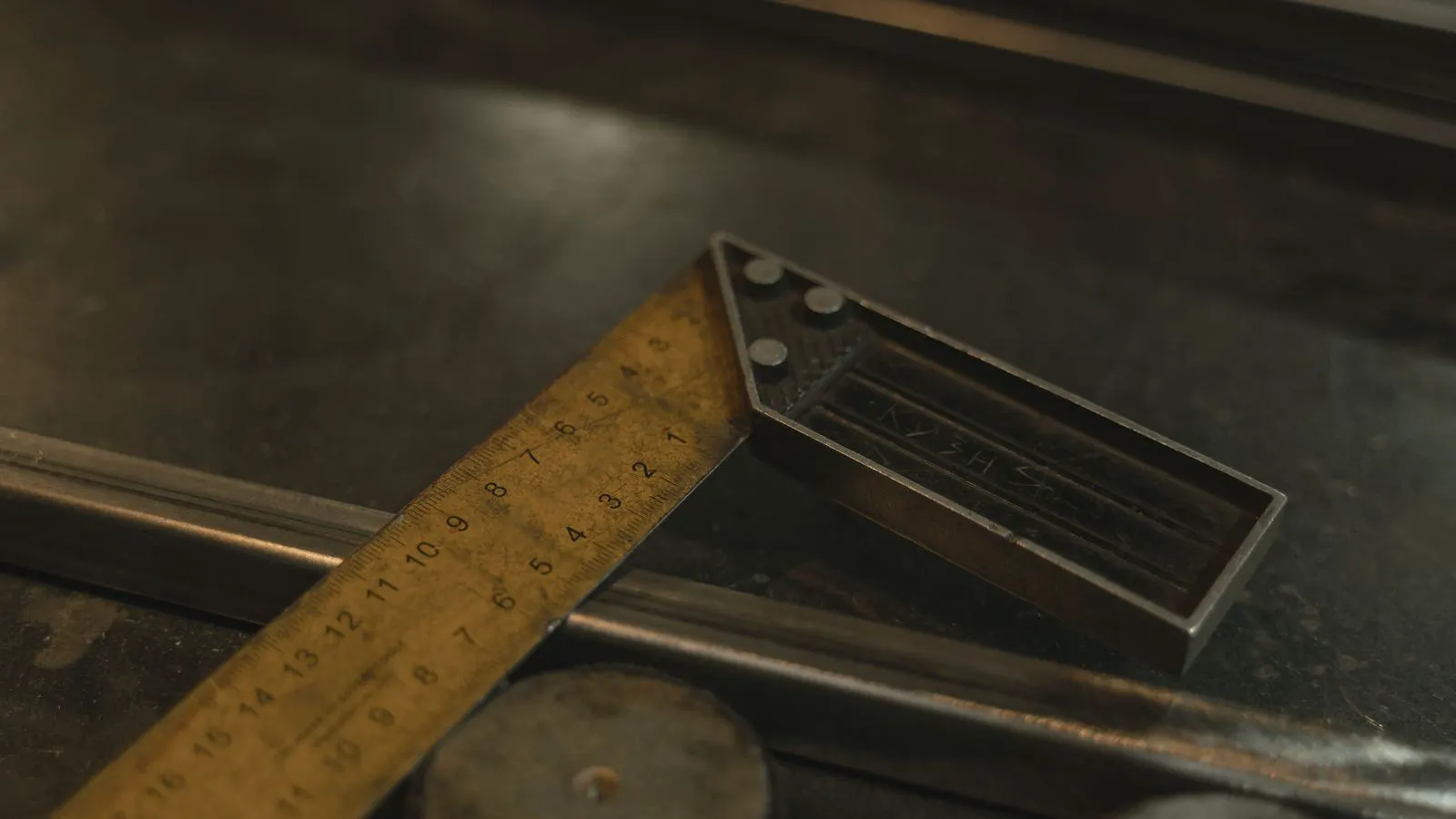
To calculate resin cost for a composite part, determine the total part volume, apply the specific resin density and waste factor, and multiply by the unit price. This
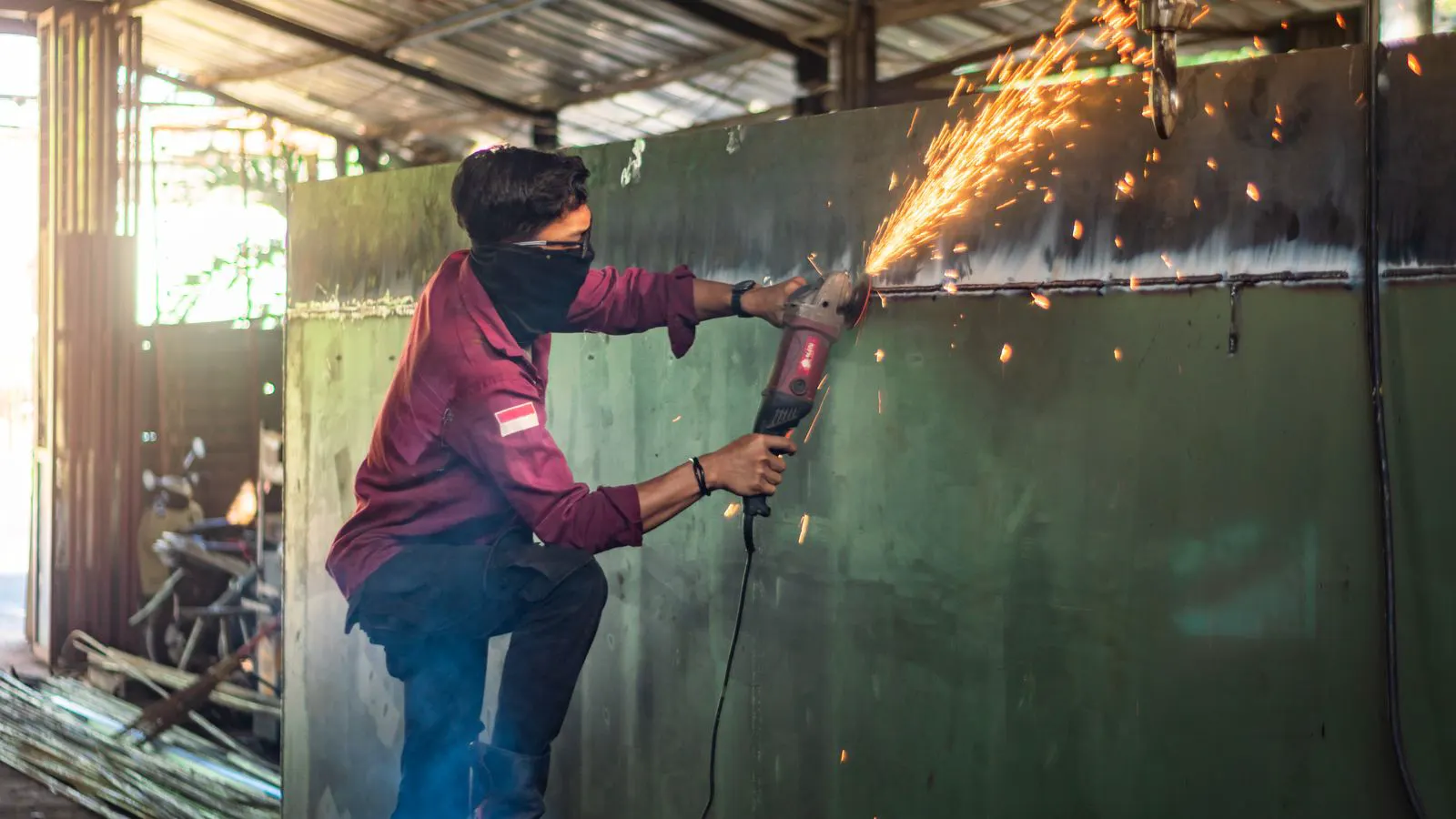
Composite material cost per unit depends on resin, fiber, labor, and overhead. This guide explains how to build a unit cost model, compare supplier quotes, and identify

A new composite project fails before production starts when procurement is unready. This checklist helps buyers validate budgeting assumptions, supplier capabilities
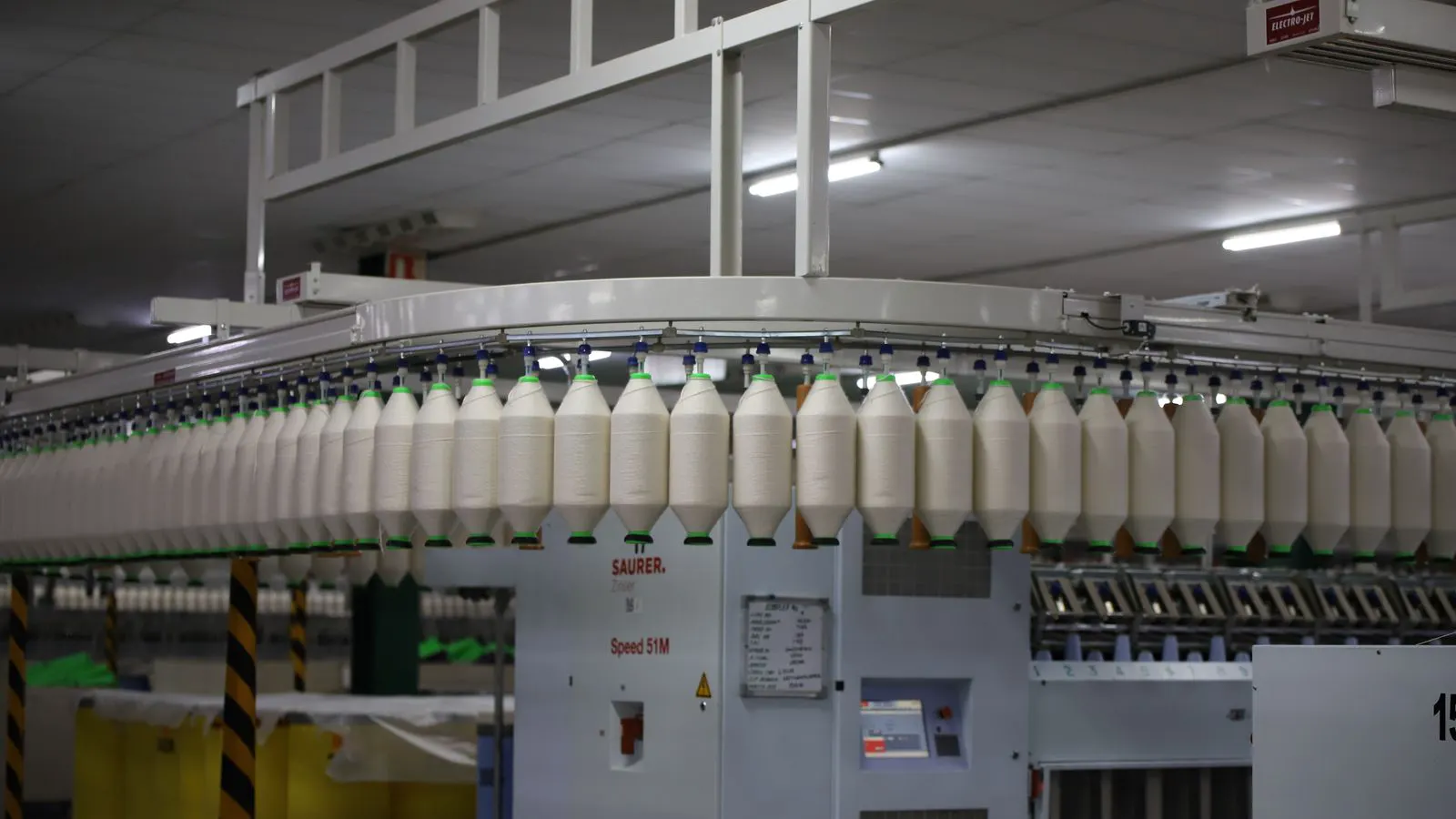
Extended composite manufacturing delays often stem from resin shortages, tooling failures, or quality rework. This guide maps symptoms to root causes and provides

Accurately calculating production lead time requires mapping every step from material procurement to final inspection. This guide outlines a structured method to

Buying composite sheets requires balancing material cost against performance, tolerance, and lead time. This guide covers the core factors, a selection table, and a
Future composite budgeting depends on tracking resin volatility, labor availability, and supply chain shifts. Buyers should plan for price swings, longer lead times, and

Carbon fiber and epoxy resin differ in material cost, processing speed, and durability. Carbon fiber offers higher strength but requires specialized equipment. Epoxy

Resin choice directly shapes total project expenses through raw material price, processing yield, and waste rates. Selecting the right resin balances performance against