
Fiberglass & Resins
E-Glass vs S-Glass: A Reinforcement Comparison
E-glass offers lower cost and easier processing, making it the default for general structural work. S-glass provides higher stiffness and strength at a significant
Clear, practical composites data for engineering and procurement teams.
Start with the stage of the sourcing process you are in.
Learn about carbon fiber types, layup options, and practical applications for engineering design and procurement decisions.
Explore fiberglass reinforcement options and resin chemistries to select the right combination for performance and cost goals.
Understand prepreg grades, fabric architectures, and handling requirements for consistent manufacturing and quality control outcomes.
Compare hand layup, autoclave, and resin infusion methods to match process choice with part volume and quality needs.
Review common composite testing methods and standards used to verify material properties and production quality consistency.
Get practical guidance on material costs, production lead times, and factors that affect budgeting and project scheduling.
Learn how to evaluate composite suppliers, verify capabilities, and select partners that meet your technical and commercial requirements.
E-glass offers lower cost and easier processing, making it the default for general structural work. S-glass provides higher stiffness and strength at a significant

Carbon fiber and epoxy resin differ in material cost, processing speed, and durability. Carbon fiber offers higher strength but requires specialized equipment. Epoxy

Resin infusion reduces labor and tooling costs but offers less control than autoclave curing. Choose based on part complexity, quantity, and quality requirements. This

Carbon fiber applications in renewable energy and transport focus on weight reduction, fatigue resistance, and high-strength-to-weight ratios. Buyers should plan for

Fabric architecture determines composite stiffness by controlling how load transfers between fibers and resin. Weave type, density, and fiber orientation set the
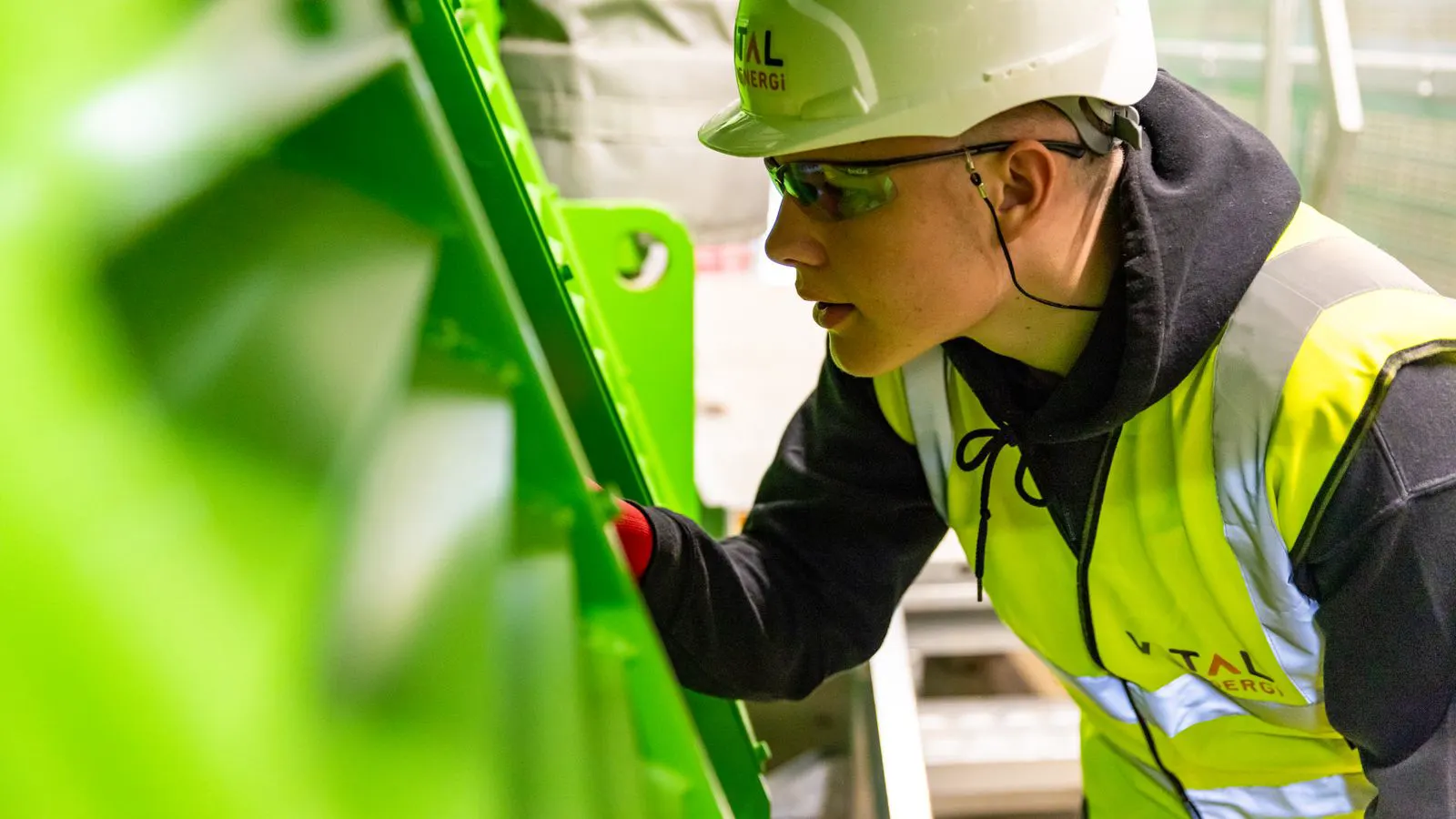
Establish a basic composite inspection lab by defining scope, selecting equipment, calibrating instruments, and documenting procedures. This guide covers the core steps
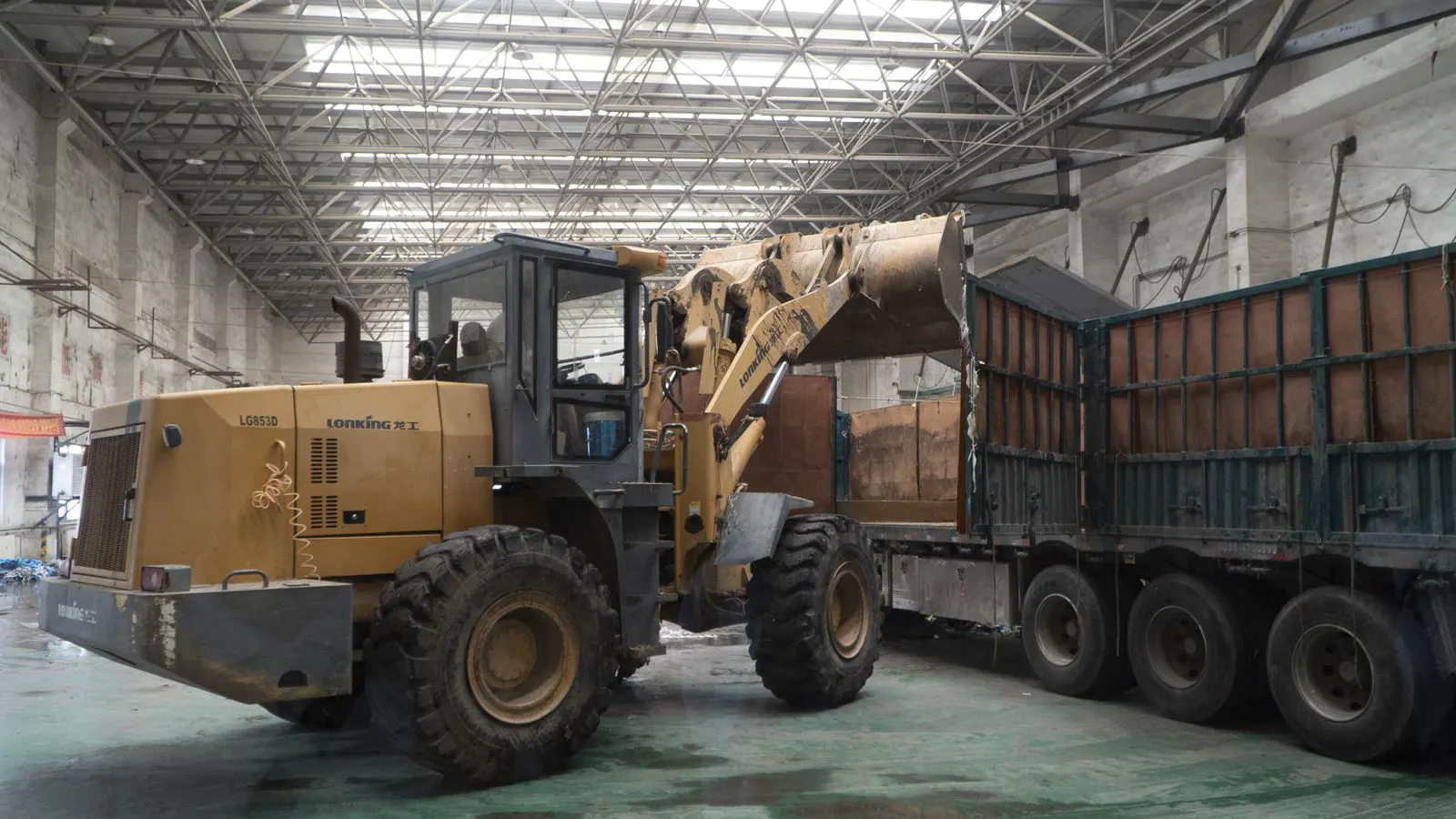
Fiberglass cost depends on material grade, resin type, and processing. Lead time varies by source location and order size. Use a structured RFQ and compare total landed
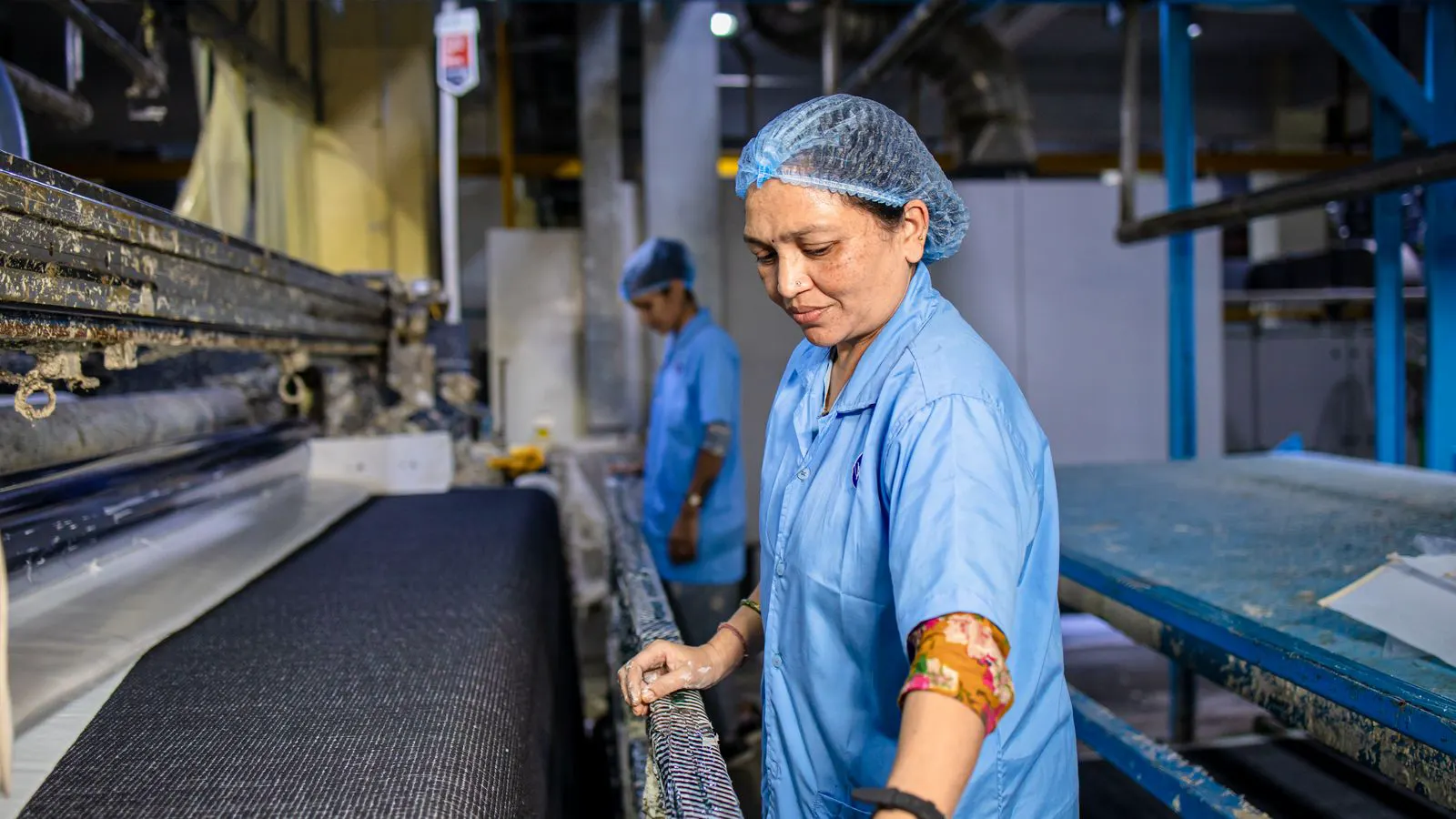
This guide provides a structured prepreg supplier checklist covering certifications, storage, handling, and documentation. It helps engineers verify a supplier's quality
ISO 21709 and ASTM D790 both define flexural testing for composite materials. They differ mainly in specimen dimensions, test setup, and reporting requirements. Choose
Buyers in the composites industry must make decisions on fiber selection, resin systems, fabrication methods, and supplier capability. This site presents those decisions as clear comparisons rather than vendor marketing. Readers get the technical basis needed to evaluate quotes, specs, and sample results.
The content covers carbon fiber, fiberglass and resins, prepregs and fabrics, manufacturing processes, testing and standards, cost and lead time, and supplier selection. Each section explains the technical trade-offs, typical failure points, and the documentation buyers should request. The goal is to support informed purchasing and engineering decisions.
Carbon fiber offers higher stiffness and strength per weight but typically costs more. Fiberglass is less stiff and heavier but is often cheaper and easier to source.
Low volume and complex shapes often favor hand layup. High volume and consistent parts usually require automated processes like infusion or press molding.
Typical checks include tensile strength, flexural modulus, dimensional stability, and void content. Specific tests depend on the part function and industry standards.
Lead time depends on material availability, tooling, cure cycles, and quality inspection. Custom layups and special resins often take longer than standard products.
Compare material grade, labor, tooling, quality control, and warranty terms. A lower unit price may come with higher risk if quality checks are minimal.
A prepreg is a fiber and resin combination that is ready for layup. It helps control fiber content and resin ratio, which supports better quality control.