Explainer: How Fabric Architecture Affects Composite Stiffness
Fabric architecture determines composite stiffness by controlling how load transfers between fibers and resin. Weave type, density, and fiber orientation set the baseline for panel behavior. Buyers should match these structural features to the specific stress patterns of their application.
- Fabric architecture controls the path of load transfer in a composite panel.
- Weave density and fiber orientation set the baseline stiffness before resin is added.
- Buyers must match architectural features to the specific stress pattern of the part.
- Trade-offs between strength, weight, and cost depend on the chosen fabric structure.
- Sourcing decisions should align with the primary loading direction of the component.
How Load Traveles Through a Fabric
Composite stiffness is not a single material property. It is the result of how the fiber structure interacts with the resin matrix. In a laminate, the load travels through the fibers first, then transfers into the resin, then moves to the next layer. The fabric architecture dictates where these transfers happen.
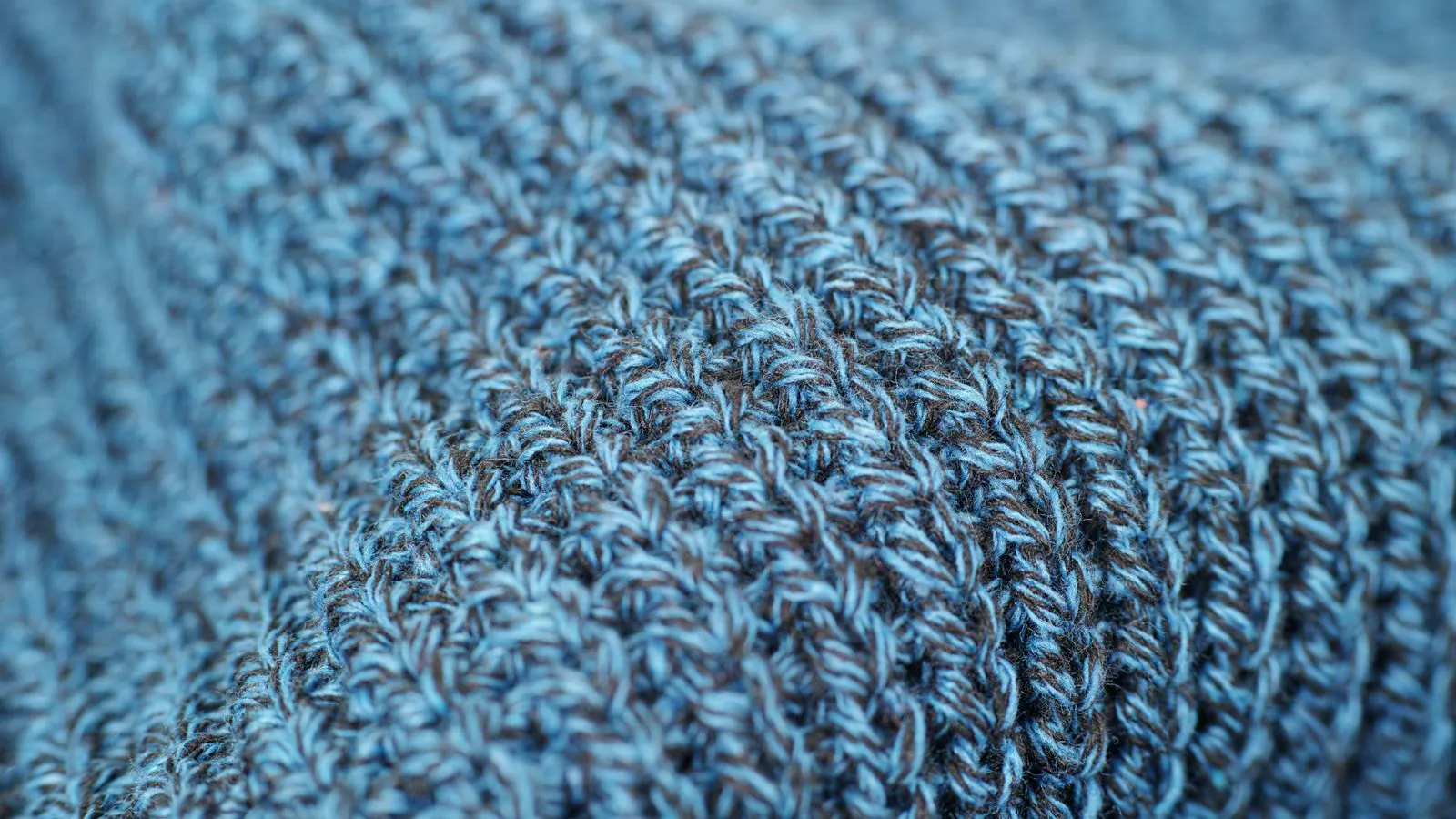
When you buy a sheet of carbon fiber or glass fiber, you are selecting a specific weave. That weave is a physical grid of filaments. The way those filaments are arranged changes the stiffness of the final part. Two fabrics can have the same fiber type and the same weight per square meter. If the weave is different, the stiffness will be different.
This matters for every buyer. If you order the wrong architecture, the panel may be too soft in the bending direction, or too stiff in a direction that does not need stiffness. You may then add more layers to fix the problem, which increases weight and cost. The architecture is the foundation of the structural behavior.
The Main Types of Weave
The most common weave is plain weave. In this structure, each warp thread crosses over one weft thread and under one. The pattern repeats immediately. The result is a balanced fabric. Stiffness is similar in both directions.
Plain weave is easy to source. It is available in many fiber types. It is also easy to lay up because the threads lie relatively flat. However, the crossings create a slight waviness in the fiber path. This waviness limits the maximum strength and stiffness in the fiber direction. For many structural applications, this is acceptable. For high-performance panels, it may be a limitation.
The next common weave is twill. A twill weave shifts the crossing point by one thread in each row. This creates a diagonal pattern. The fabric feels softer to the touch because the fiber path is longer and smoother. This reduces waviness.
Twill fabrics often show higher stiffness in the fiber direction than a plain weave of the same weight. This is because the fibers are straighter. However, twill can be harder to lay up. The threads may pull out of the weave more easily. The surface of the cured part may show the twill pattern, which can affect aesthetics and surface finish.
The third major architecture is plain weave with a different fiber ratio. Some fabrics use a 1:1 ratio. Others use a 2:1 or 3:1 ratio. A 2:1 fabric has two warp threads for every one weft thread. This changes the balance. The fabric becomes stiffer in the warp direction. It becomes weaker in the weft direction.
This ratio is a powerful tool. If your part bends mostly in one direction, you can buy a 2:1 fabric to get more stiffness in that direction without adding a separate layer. You get a directional fabric. This simplifies the laminate design.
Weave Density and Stiffness
Weave density is the number of threads per inch. It is measured in both the warp and weft directions. A low density fabric has thick threads and wide spacing. A high density fabric has thin threads and tight spacing.
Density changes the surface area of the fiber exposed to the resin. In a low density fabric, the fibers are far apart. The resin must fill large gaps. This can lead to voids if the resin is not well controlled. In a high density fabric, the gaps are small. The resin wets the fibers more easily.
Stiffness is affected by density in two ways. First, the fiber volume fraction changes. If the threads are closer together, there is more fiber and less resin. More fiber generally means more stiffness. Second, the quality of the wet-out changes. Better wet-out means less voids. Less voids means higher stiffness.
Buyers often look at the weight per square meter as the main spec. That is not enough. Two fabrics can have the same weight. One may be a low density, thick thread fabric. The other may be a high density, thin thread fabric. They will have different stiffness profiles. The high density fabric will usually have better wet-out and higher effective stiffness.
Fiber Orientation and Laminate Design
Fabric architecture also controls fiber orientation. In a standard fabric, the fibers run in two directions, warp and weft. When you lay up a panel, the fibers in the fabric stay in those directions.
If you need stiffness in a third direction, you must use a fabric with a different orientation. Some suppliers offer fabrics where the warp and weft are at 45 degrees to each other. This is a 45-degree fabric. When laid up, the fibers run at 45 degrees to the part axis.
A 45-degree fabric provides shear stiffness. It is very useful for panels that experience twisting or shear loads. A plain panel with 0-degree fibers has high bending stiffness but low shear stiffness. Adding a 45-degree fabric improves the shear resistance.
You can mix architectures in a laminate. For example, a typical wing panel might use 0-degree plain weave for bending stiffness, 90-degree plain weave for transverse stiffness, and 45-degree twill for shear stiffness. The architecture of each layer is chosen to handle a specific load.
The key is to know the primary load path. If you do not know the load path, you will likely over-engineer the laminate. You will add layers that do not need to be there. You will increase weight and cost. The fabric architecture must match the stress pattern.
Sourcing Decisions Based on Architecture
When you source a fabric, the architecture determines the price and lead time. Plain weave fabrics are the most common. They are usually in stock. They have the lowest cost.
Twill fabrics are more expensive. They are harder to manufacture. They may have longer lead times. You should order twill early if your project schedule is tight.
Special ratio fabrics, like 2:1 or 3:1, are even more specific. They are often made to order. The supplier needs to set up the loom for that specific ratio. This can take several weeks. If your design is not final, do not order specific ratio fabrics. You will likely need to wait or cancel the order.
The supplier will provide a technical data sheet. Read the weave description carefully. It will state the pattern, the ratio, and the density. If the data sheet is vague, ask for a sample. A small sample allows you to check the weave by hand. You can see the crossings. You can feel the stiffness. You can check the wet-out behavior with a small resin test.
A Worked Example
Imagine a buyer designing a small drone wing. The wing bends mostly in one direction. It also twists slightly under side wind. The buyer needs a stiff, light panel.
The buyer looks at two fabrics. The first is a plain weave carbon fabric. The second is a twill weave carbon fabric. Both have the same weight per square meter.
The buyer tests both. The plain weave panel is stiff in the bending direction. It is also stiff in the transverse direction. The twill panel is stiffer in the bending direction. The twill fibers are straighter, so they carry the bending load better.
The buyer also needs shear stiffness. The plain weave panel is weak in shear. The buyer adds a 45-degree plain weave layer to fix this. The twill panel has some shear stiffness from the diagonal fiber path. The buyer adds a thinner 45-degree layer.
The final laminate for the twill design is lighter. It has fewer layers. It costs less. The twill architecture handled more of the load by itself. The plain weave design needed extra layers to get the same stiffness.
This is a typical result. The buyer should not assume that a lighter fabric is always better. The architecture determines how much load each layer can carry. The twill fabric carried more bending load per unit weight. The plain weave fabric required a different laminate design to match the performance.
Common Mistakes in Sourcing
The most common mistake is ordering a fabric based only on weight. Buyers see a spec sheet that lists weight per square meter. They assume that is the only thing that matters. It is not. The weave type, ratio, and density all change the stiffness.
Another mistake is ignoring the supplier’s minimum order quantity. Some specific architectures have high minimums. If you only need a small batch, you may be stuck with a large order. You may have to store the extra fabric. Storage takes space. It takes money.
A third mistake is not checking the fiber orientation in the data sheet. Some fabrics are cut on the bias. If the fabric is cut on the bias, the warp and weft are at 45 degrees to the part axis. This changes the stiffness completely. The buyer must check the cutting direction. The data sheet should state this.
The final mistake is not testing the wet-out. A fabric that looks great on the shelf may not wet out well. If the resin does not fill the weave, the stiffness drops. A small wet-out test is cheap. It saves the project.
Final Checks Before Ordering
Before you place an order, check three things. First, confirm the weave type. Ask the supplier to confirm the pattern. Plain, twill, or ratio. Second, confirm the density. Ask for the threads per inch in both directions. Third, confirm the cutting direction. Ask how the fabric will be cut.
These three checks prevent most sourcing problems. They ensure that the fabric you receive matches the stiffness you need. They save you from adding layers later. They keep your project on schedule. They keep your budget under control.
The fabric architecture is the starting point. Everything else follows from it. Get this right, and the rest of the laminate design becomes easier. Get this wrong, and you will spend time and money fixing it.
Frequently asked questions
What is the difference between plain weave and twill weave?
Plain weave crosses every thread. Twill weave shifts the crossing point. This makes twill fibers straighter and often stiffer in the fiber direction.
Does fabric weight per square meter determine stiffness?
No. Weight only tells you the total mass. The weave type, ratio, and density change how the fibers carry load. Two fabrics with the same weight can have different stiffness.
How do I choose between plain weave and twill for a bending part?
If the part bends mostly in one direction, twill often provides higher stiffness in that direction. Plain weave is better if you need balanced stiffness in both directions.
What is a 2:1 fabric?
A 2:1 fabric has two warp threads for every one weft thread. It is stiffer in the warp direction. It is weaker in the weft direction. It is useful for directional loading.
Should I order a sample before buying a full roll?
Yes. A sample lets you check the weave, feel the stiffness, and test the wet-out. This prevents costly mistakes in the final laminate.