Carbon Fiber Cost and Lead Time Factors for Procurement
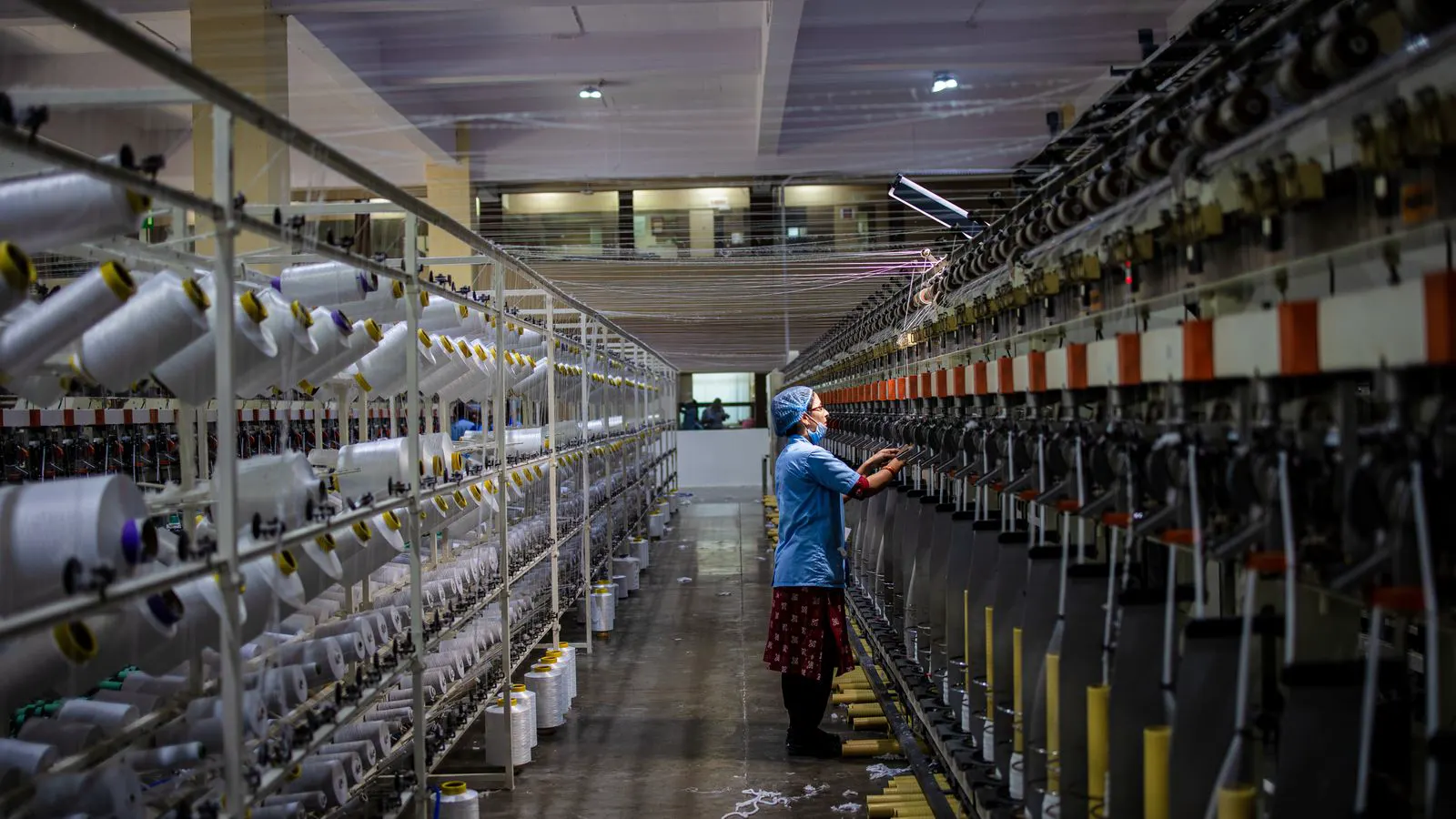
Carbon fiber costs and delivery times depend on fiber grade, fabric form, resin system, quantity, and logistics. Buyers should define specs clearly in RFQs, request full landed-cost breakdowns, and compare quotes on identical terms to avoid surprise premiums and missed production schedules.
- Fiber grade, fabric form, and resin choice drive the base price of carbon fiber materials.
- Lead time is shaped by production batch size, quality checks, and freight routing.
- A clear RFQ with exact specs, quantities, and delivery terms produces fairer, comparable quotes.
- Always compare quotes on the same basis: landed cost, payment terms, and minimum order rules.
- Build buffer into delivery plans for custom layup or small-batch orders.
What Sets the Base Price of Carbon Fiber
The starting price for carbon fiber is set by the material itself, not by the supplier’s overhead. A standard unidirectional woven fabric costs less than a high-modulus prepreg, which costs less than a specialty high-strength tape. The buyer sees the grade on the spec sheet, but the grade also determines the manufacturing process upstream.
Tow carbon fiber, used for high-strength injection molding, carries a different price than a 0°/90° woven sheet used in automotive panels. The difference is not cosmetic. Each form is spun, sized, and handled differently. A supplier who stocks one form in bulk will quote a lower per-kg price than a supplier who must cut to order from a master bolt.
Resin system is the second major base cost. Epoxy resins are common and widely stocked. Vinyl ester and bismaleimide systems cost more and require different storage and handling conditions. Prepregs add a third cost layer because the fiber and resin are impregnated before shipment. The buyer must state the exact resin type and layup thickness in the RFQ, or the quote will be a guess.
How Quantity and Fabric Form Affect Cost
Quantity moves the price curve, but the shape of that curve depends on the fabric form. Bulk sheet orders often come with a fixed minimum. Cut-to-order fabric from a master bolt carries a cutting fee, and small orders may be charged by the roll rather than by the meter.
A structural part that needs 50 kg of 12-ply unidirectional fabric may be cheaper to buy as a 100 kg roll if the buyer can store the surplus. A repair or prototype that needs 2 kg may be priced at a premium because the supplier must break a roll, cut, and package a small piece. The minimum order quantity is not just a sales term. It reflects the cost of labor, tooling, and waste.
Fabric form also affects how much waste the buyer incurs. A 2-meter-wide woven fabric produces more offcut waste for narrow parts than a 1-meter-wide fabric. A supplier may quote a lower per-kg price on a wider fabric, but the buyer may lose more material in the cutting room. The true cost is the material consumed per part, not the price per kilogram on the label.
Lead Time Drivers: Production, Quality, and Logistics
Lead time is rarely about one variable. It is the sum of production time, quality checks, and freight. A standard stock fabric may ship within days. A custom prepreg or a high-modulus fabric may take weeks or more.
Production time depends on whether the supplier spins, weaves, or impregnates the fiber in-house. A supplier who buys fiber from a spinner and weaves it locally has one lead-time step. A supplier who orders from a distant spinner and ships to a third-party weaver has two. Each handoff adds calendar days.
Quality checks add time. A structural application may require a mill test report, a dye lot certificate, and a dimensional inspection. A cosmetic application may not. The buyer should state the required documentation in the RFQ. If the supplier does not know which tests are needed, the quote will be based on the cheapest path, and the delivery may arrive without the paperwork the buyer needs for release.
Freight adds time and cost. Air freight is fast and expensive. Sea freight is slow and cheap. Rail or road freight sits in between. The buyer must specify the delivery terms, such as FOB, DDP, or the destination address, because a quote that does not include freight is incomplete.
How to Write a Clear RFQ for Carbon Fiber
A weak RFQ produces a weak quote. If the buyer writes “carbon fiber fabric, 12 ply, epoxy,” the supplier will make assumptions. The quote will be based on the supplier’s stock item, which may not match the part design. The RFQ should name the exact material form, grade, resin, thickness, and quantity.
A practical RFQ includes the following:
- Material form: woven sheet, unidirectional tape, tows, prepreg, or other.
- Fiber grade: standard, high-strength, or high-modulus.
- Resin system: epoxy, vinyl ester, bismaleimide, or other.
- Thickness: measured in grams per square meter or millimeters.
- Quantity: kilograms, meters, or rolls, with a tolerance if applicable.
- Required documentation: mill test report, certificate of analysis, or other.
- Delivery terms: destination, required date, and freight class.
- Payment terms: net 30, letter of credit, or other.
The buyer should also state the application. A structural part and a decorative part have different quality expectations. The application does not change the material, but it changes the required documentation and the acceptable defect rate. A supplier who knows the application can recommend the right grade and the right documentation package.
How to Compare Quotes Fairly
Two quotes that look identical are often not identical. One quote may include a 10 percent surcharge for small-batch cutting. Another may exclude freight. One may use net 60 payment terms. Another may require a 50 percent deposit. The buyer must put every quote on the same basis before comparing.
The comparison table below lists the main variables to check. The buyer should request a line-item breakdown from each supplier. A single number is not enough.
| Cost and Lead-Time Variable | What to Check in the Quote |
|---|---|
| Material grade and fabric form | Exact grade, fiber orientation, and fabric construction |
| Resin system | Resin name, prepreg or dry fiber, and storage conditions |
| Quantity and minimum order | Total kg or meters, minimum order, and cut-to-order fees |
| Quality documentation | Mill test report, certificate of analysis, and lot traceability |
| Freight and delivery terms | Freight class, destination, required date, and currency |
| Payment terms | Deposit, net days, and currency of the invoice |
The buyer should also check the supplier’s production capacity. A supplier who is fully booked on a high-modulus line may quote a lower price but a longer lead time. The lead-time promise should be in writing. A verbal date is not a commitment.
Common Mistakes That Raise Cost or Delay Delivery
The most common mistake is buying the cheapest per-kg price without checking the total cost of ownership. A low-price fabric that is difficult to cut, that has a high shrinkage rate, or that requires a special handling step can cost more than a standard fabric that is easy to work with.
The second mistake is not defining the delivery date. A supplier will quote the earliest possible delivery if the buyer says “ASAP.” If the buyer needs the material by a specific date, the supplier may need to allocate a production slot or expedite freight. The buyer should give a target date and a deadline. The quote should reflect that timeline.
The third mistake is mixing material and labor in the RFQ. Some buyers ask for “carbon fiber parts” instead of “carbon fiber material.” A supplier who makes parts will quote a higher price because the labor, tooling, and curing are included. A buyer who wants raw material should order raw material and process it in-house. The RFQ must be clear about what is being bought.
The fourth mistake is not building buffer into the schedule. A structural project may have a critical path that leaves no room for a two-week delay. The buyer should order early enough to cover production, quality checks, and freight. A two-week buffer is often needed for custom fabric, even if the supplier says the material is in stock.
Final Checklist Before Placing the Order
Before the buyer signs the order, the following should be true:
- The material grade, fabric form, resin, and thickness match the part design.
- The quantity and minimum order are agreed.
- The required documentation is listed in the contract.
- The delivery date and freight terms are in writing.
- The payment terms and currency are clear.
- A buffer is built into the production schedule.
A carbon fiber order is not a commodity purchase. It is a specification-driven transaction. The buyer who controls the specification controls the cost and the lead time. The buyer who leaves gaps in the RFQ gives the supplier room to make assumptions, and those assumptions show up in the invoice or the delivery date.
Frequently asked questions
Can I order carbon fiber fabric in small quantities?
Yes, but small orders often carry a cutting fee and a higher per-kg price. The minimum order is set by the supplier's roll size and labor cost.
How does resin type change the cost?
Epoxy is the most common and least expensive. Vinyl ester and bismaleimide cost more and may require different storage. Prepregs add impregnation cost.
What is the biggest factor in lead time?
Production batch and freight. A standard stock fabric ships fast. A custom prepreg or a high-modulus fabric requires production time and may involve multiple handoffs.
Do I need a mill test report?
It depends on the application. Structural parts usually require a mill test report and lot traceability. Decorative parts may not. State the requirement in the RFQ.
How do I compare two quotes that are close in price?
Put them on the same basis. Check freight, payment terms, documentation, and minimum order. A lower per-kg price may be higher in total landed cost.