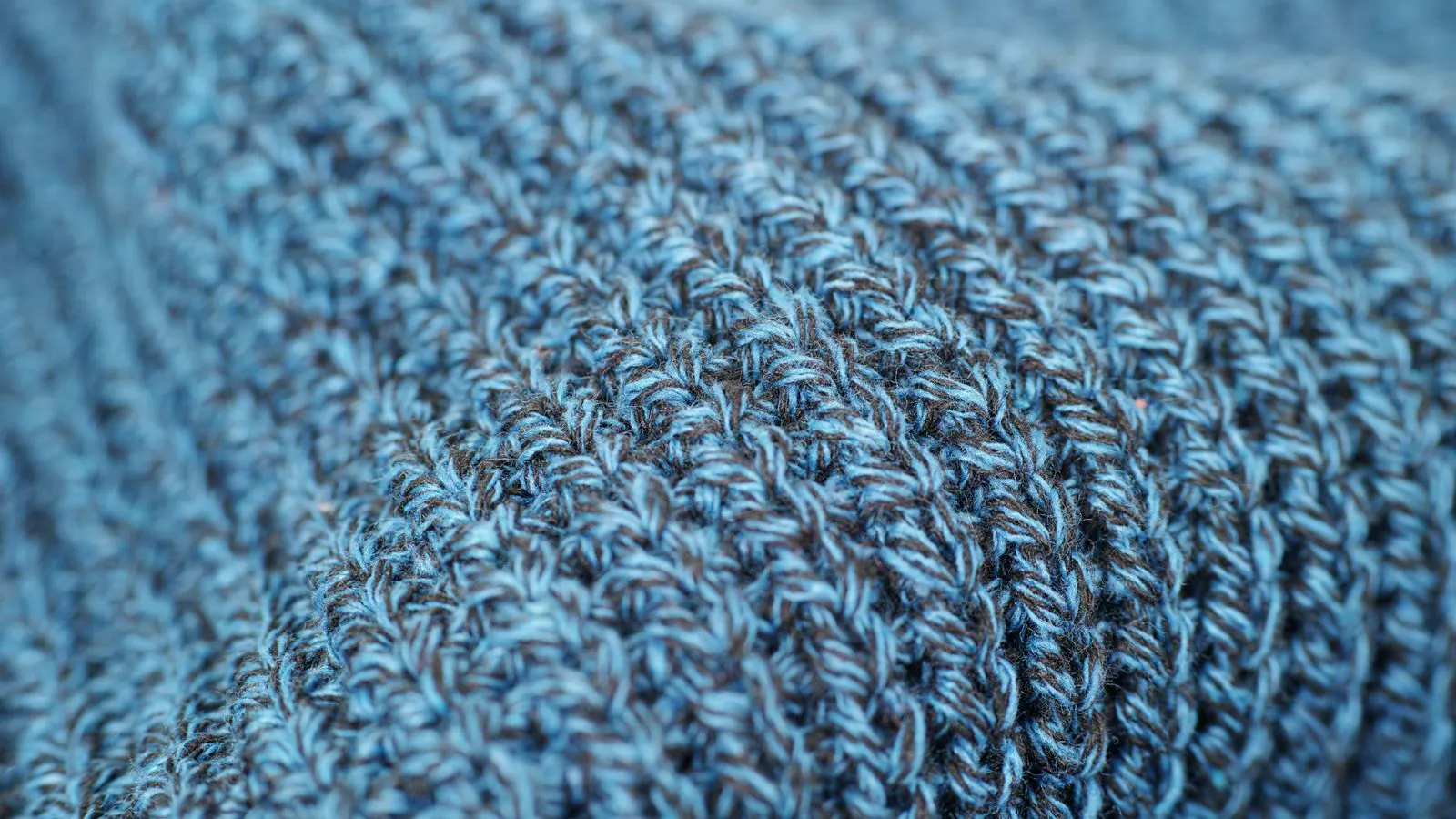
Checklist: Preparing Composite Fabrics for Production
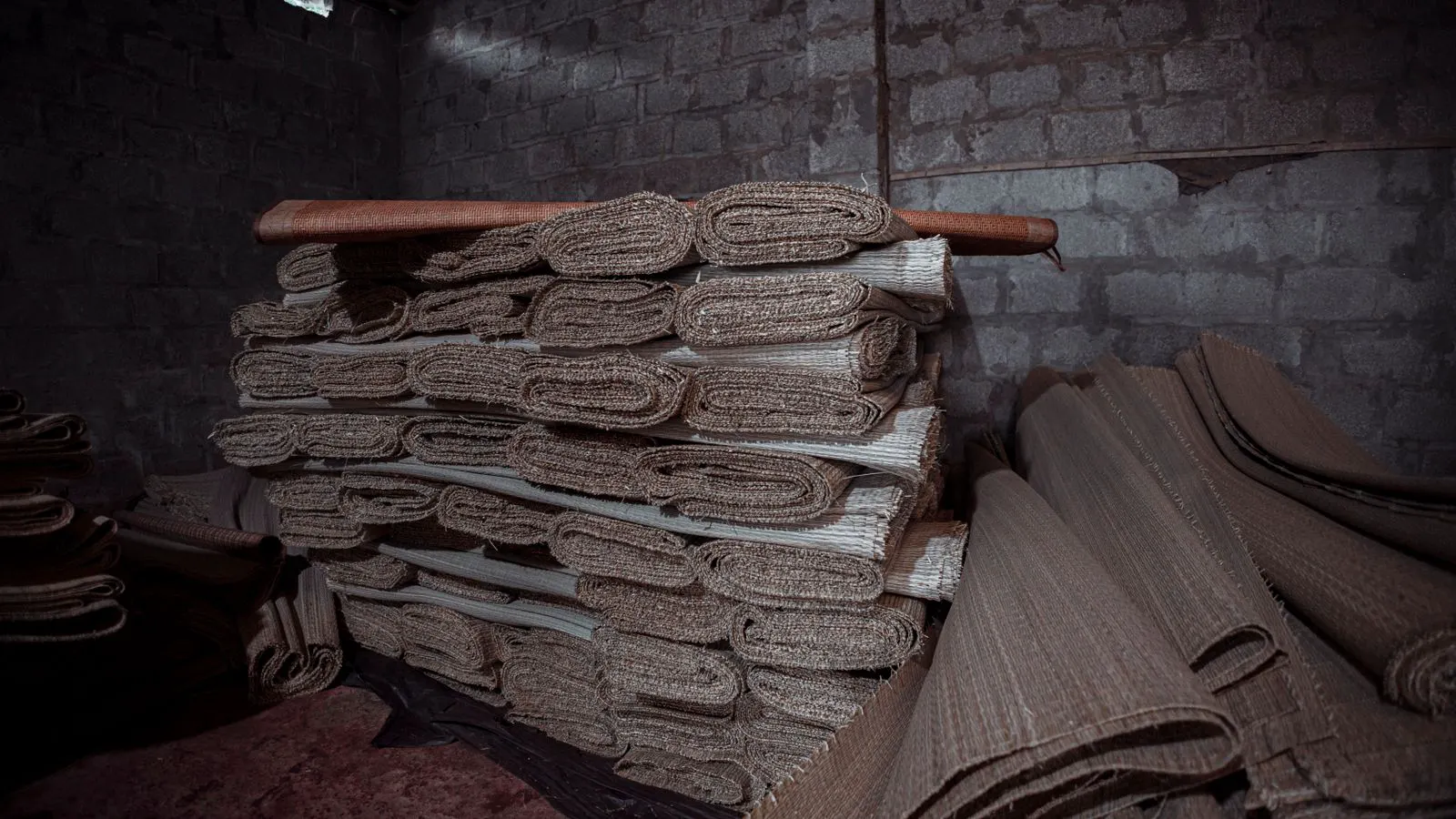
A practical checklist for preparing composite fabrics before production. It covers verifying prepreg grades, checking storage conditions, inspecting fabric architecture, and confirming documentation to prevent common defects.
- Verify prepreg grades and storage dates against your specific production requirements before cutting.
- Inspect fabric for creases, stains, or delamination before any layup begins.
- Maintain consistent humidity and temperature controls to prevent moisture absorption in the material.
- Confirm that all documentation, including material certificates, matches the physical lot.
- Implement a final visual and dimensional check immediately before the layup process starts.
Start with the Right Material Grade
The first step is confirming that the specific composite fabrics in your inventory match the engineering specifications for your part. A single mismatch in resin chemistry or fiber type can invalidate a batch of parts. Many production lines fail not because the process was wrong, but because the input material was incorrect. If the prepreg grade does not align with the design intent, the cure cycle, stiffness, and thermal stability will all be off.
- Check the prepreg grades listed on the shipping label.
- Compare the grade against your design specification.
- Verify the fiber content, such as carbon, glass, or aramid.
- Confirm the weave type, like plain weave or twill.
- Review the thickness and width measurements.
Do not skip the label check. It is the fastest way to identify a wrong material. If the label says a high-temperature epoxy prepreg but your part is designed for a low-temperature system, the cure will not behave as expected. The resin may gel too early, or it may fail to exotherm correctly. This leads to voids, poor fiber wetting, and mechanical weakness.
A red flag is finding labels that are faded or missing. If you cannot read the grade, do not use that material. Assume it is unsuitable until the supplier provides a new label or a certificate of analysis. In a mixed-storage environment, it is easy to misplace a roll. A roll of standard glass fabric might end up next to a high-performance carbon prepreg. Without a clear label, you cannot distinguish between them. Keep your receiving area organized. Use separate bins or racks for different grades.
Verify Storage and Handling History
Prepregs are sensitive to environmental conditions. If the materials were stored in a warm or humid environment, the resin system may have already absorbed moisture. This affects the cure process and final properties. Moisture is a common culprit in failed laminates. It lowers the glass transition temperature, creates voids during the cure, and weakens the fiber-matrix interface.
- Check the storage temperature logs if available.
- Look for condensation on the packaging.
- Inspect the outer wrap for tears or punctures.
- Confirm the date the material was received.
Moisture absorption is a silent problem. It does not always show up as visible damage. A material that looks fine can still contain enough water to cause voids during cure. If the material has been in storage for an extended period, run a moisture test before using it. A simple moisture meter or a controlled bake-out test can reveal hidden water content.
Also consider the handling history. Was the material dropped? Was it exposed to direct sunlight? Even if the storage conditions were stable, rough handling can damage the surface or compromise the packaging integrity. Check for any signs of impact damage on the rolls. If the packaging is compromised, the internal moisture barrier may be breached. In that case, treat the material as suspect. Do not assume it is safe just because the outer layer looks intact. The inner wrap is what protects the prepreg. If that is damaged, the risk is high.
Inspect the Physical Condition of the Fabric
Before cutting, examine the fabric for any physical damage. This step is quick but catches issues that can ruin a layup. Physical inspection is your first line of defense. It takes minutes, but it prevents expensive errors. Look for any signs of wear, tear, or contamination.
- Unroll a section of the fabric to check for creases.
- Look for stains or discoloration.
- Check for fiber breakage or fraying at the edges.
- Inspect the surface for any foreign debris.
A red flag is a visible crease that does not relax when the fabric is allowed to rest. A hard crease can create a stress concentration in the final part. It can also affect how the resin wets the fibers. If you see a crease, mark the area. Do not cut into it. Use the undamaged section if possible. If the crease is in a critical load-bearing zone, the roll may need to be rejected. A small defect in a non-critical area can sometimes be avoided, but a defect in a high-stress region is a showstopper.
Stains are another concern. Oil, grease, or chemical residue on the fabric surface will prevent proper resin adhesion. This leads to delamination. If you find a stain, test the area with a solvent. If the solvent removes the residue without damaging the fiber, it might be usable. If not, discard that section. Do not try to force a contaminated area into a part. The cost of rework is higher than the cost of cutting a new section.
Confirm the Weave and Architecture
The weave pattern of the composite fabrics directly impacts the stiffness and strength of the final part. A mistake here is hard to fix once the part is cured. Weave selection is a design decision that must be respected during production. If the spec calls for a 2x2 twill, using a plain weave will change the part’s performance. The out-of-plane stiffness will be different, and the surface finish may not match the customer’s requirements.
| Feature | What to Check | Why It Matters |
|---|---|---|
| Weave Type | Confirm plain, twill, or 2x2. | Determines in-plane vs. out-of-plane stiffness. |
| Fiber Orientation | Verify 0/90 or unidirectional. | Critical for load-bearing parts. |
| Thickness | Measure with calipers. | Affects resin consumption and part weight. |
| Width | Check against the spec sheet. | Ensures correct layup coverage. |
| Resin Content | Verify the stated value. | Impacts cure cycle and mechanical properties. |
Do not rely on visual inspection alone for thickness. Use calipers. A small variance in thickness can lead to a part that is too stiff or too weak. It can also change the resin-to-fiber ratio, which affects the cure time. For example, if the fabric is thicker than specified, you may need more resin to achieve the target volume fraction. This changes the cure chemistry and can lead to excessive exotherm.
Fiber orientation is equally critical. A unidirectional layup provides high strength in one direction but weak transverse properties. A balanced 0/90 layup offers more uniform stiffness but may not match the directional load requirements. Verify the orientation on the roll. Check the weave structure. If the fibers are not aligned as expected, the part will not perform as designed. This is a common source of failure in aerospace and automotive applications.
Review Documentation and Traceability
Traceability is the backbone of quality control in composite manufacturing. If a defect appears, you need to know exactly where the material came from. Without proper documentation, you cannot isolate the root cause of a failure. You may have to scrap entire batches instead of just the affected parts.
- Check the lot number on the packaging.
- Match the lot number to the certificate of analysis.
- Verify the date code on the prepreg.
- Ensure the supplier is authorized.
A red flag is a mismatch between the label and the certificate. This could be a simple labeling error, or it could be a substitution issue. Stop the production line until the discrepancy is resolved. Do not guess the grade. If the label says Lot A but the certificate says Lot B, something is wrong. It might be a clerical error, but it could also mean that the wrong material was shipped. In either case, you cannot proceed until the truth is known.
Keep your records organized. Maintain a log of every material received, used, and returned. Include the supplier, the date, the lot number, and the storage conditions. This history is valuable during audits. It also helps you identify trends. If a specific lot causes problems, you can trace it back to the source and hold the supplier accountable.
Final Pre-Production Checks
Before the layup begins, perform a final set of checks to ensure everything is ready. This step prevents rework and delays. It is a last chance to catch errors before they become expensive.
- Confirm the layup sequence is written and approved.
- Check that the cure schedule matches the prepreg grade.
- Verify the tools are clean and calibrated.
- Ensure the workspace temperature and humidity are logged.
- Do a final visual check of the cut fabric.
The workspace environment matters. If the room is too cold, the resin may not flow well. If it is too warm, the gel time may be shorter than expected. Keep the environment stable. Log the conditions. If something goes wrong, you need to know if the environment contributed to the issue. For example, if a part fails due to voids, you need to know if the room humidity was high during the cure. This information helps you adjust your process for future runs.
Also check your tools. Are the cutters sharp? Are the rollers clean? A dirty tool can leave residue on the fabric, which affects resin wetting. A dull cutter can tear the fibers, which weakens the part. Inspect your tools before each shift. Clean them as needed. Calibration is also important. If your thickness gauges are off, you may not know if the fabric is within spec.
Common Mistakes to Avoid
- Using expired prepreg without a retest.
- Mixing different prepreg grades in one batch.
- Ignoring creases in the fabric.
- Failing to check the weave type.
- Skipping the final documentation review.
These mistakes are common because they seem minor. But they add up. A small error in one step can lead to a rejected part. The cost of a rejected part is higher than the cost of a careful inspection. For example, using expired prepreg might seem like a small risk. But if the resin has degraded, the cure will be inconsistent. You may get a mix of well-cured and under-cured areas. This leads to unpredictable mechanical properties.
Mixing grades is another serious error. Do not combine two different prepreg grades in one layup. Each grade has a specific cure cycle and resin content. Mixing them creates a hybrid material that does not behave as expected. The cure time may be wrong. The final properties may be off. Always use one grade per part, or follow the supplier’s instructions if blending is allowed.
When to Stop and Escalate
Sometimes the material is not usable. Recognizing this early saves time and money. It is better to stop and investigate than to push through and produce a defective part.
- Stop if the resin smells off.
- Stop if the fabric is sticky or tacky.
- Stop if the labels are unreadable.
- Stop if the storage history is unknown.
If you have doubts, ask the supplier. Do not assume the material is fine. A clear answer from the supplier is better than a guess. If the supplier cannot provide clarity, replace the material. Do not take the risk. A small delay in production is better than a recall or a warranty claim.
If the resin smells off, it may have degraded. This can happen if the material was exposed to heat or if it is past its expiration date. If the fabric is sticky or tacky, the resin may have started to gel prematurely. This is a sign of moisture absorption or degradation. In both cases, the material is compromised. Do not use it.
A Note on Consistency
Consistency is key in composite production. The same prepreg grade should behave the same way every time. If you notice a change in handling, such as the material being stiffer or more brittle, investigate the cause. It could be a change in the supplier. It could be a change in storage conditions. It could be a change in the formulation.
Keep records of every batch. Note the lot number, the date, and the storage conditions. This history helps you identify patterns. If a specific lot causes problems, you can trace it back to the source. For example, if a new lot of prepreg is more brittle than the previous lot, it may indicate a change in the resin formulation. You can contact the supplier to find out if there was a change in the manufacturing process.
Consistency also applies to your process. Use the same tools, the same environment, and the same procedures for every part. If you change one variable, you must account for it. For example, if you move your production line to a new facility, the temperature and humidity may be different. You may need to adjust your cure schedule. Document these changes. Do not assume the old process will work in the new environment.
Conclusion
Preparing composite fabrics for production is a process of verification. It is not about adding extra steps. It is about doing the right checks at the right time. A few minutes of inspection can save hours of rework. A few minutes of documentation can save days of investigation.
Use the checklist. Do not skip steps. The goal is to catch problems before they become defects. The goal is to produce a part that meets the specification. That is the only goal that matters.
Frequently asked questions
What is the first thing to check when receiving composite fabrics?
Check the prepreg grade and the lot number. Make sure they match your specification and the certificate of analysis.
How do I know if the prepreg has absorbed too much moisture?
Look for condensation on the packaging and run a moisture test. If the material was stored in a humid environment, test it before using it.
Can I use a fabric with a small crease?
Only if the crease is minor and does not affect the layup. If it is a hard crease, do not use it. Cut around it if possible.
What is the biggest mistake in fabric preparation?
Mixing different prepreg grades in one batch. This changes the cure properties and can lead to defects.
How long should I store the prepared fabric?
Use it as soon as possible. If you must store it, keep it in the original packaging in a controlled environment.