Carbon Fiber vs. Aramid Fiber: Strength and Cost
Carbon fiber offers high stiffness and strength, while aramid provides toughness and impact resistance. The choice depends on weight limits, thermal exposure, and budget. Engineers must balance mechanical properties against processing complexity and total cost of ownership.
- Carbon fiber is stiffer and stronger per unit weight than aramid, making it ideal for weight-sensitive structures.
- Aramid resists impact damage and maintains toughness better than carbon fiber under sudden loads.
- Cost differences extend beyond raw material, including tooling, layup complexity, and quality control requirements.
- Hybrid layups can combine the benefits of both fibers to meet specific performance targets.
- Always match fiber selection to the dominant load type in the application.
Defining the Core Properties
Carbon fiber and aramid fiber serve distinct roles in composite design. Both are used in aerospace, automotive, marine, and industrial structures, but they behave differently under load. Understanding these differences prevents costly design failures and material waste.
Carbon fiber has a high modulus. This means it resists bending deformation. A carbon fiber panel will stay flat under load without significant deflection. The fiber itself is also strong in tension. It can carry heavy loads without stretching much. These properties make it the standard choice for stiff spars, wing skins, and structural panels.
Aramid fiber works differently. It is a polyamide fiber, similar in chemistry to nylon. It has a lower modulus than carbon fiber. This means it bends more easily. However, aramid is tough. It absorbs energy well and does not shatter when hit. It maintains structural integrity after impact. This makes it suitable for protective gear, flexible parts, and areas where damage resistance matters more than stiffness.
The choice between the two is rarely about which one is better. It is about which property the application needs most. A rigid chassis requires carbon fiber. A flexible bumper may need aramid. A hybrid structure may use both.
Mechanical Property Comparison
The table below summarizes the key mechanical characteristics of both fibers. The values are general ranges. Exact numbers vary by fiber type, grade, and manufacturer.
| Option | Stiffness (Modulus) | Tensile Strength | Impact Resistance | Thermal Stability |
|---|---|---|---|---|
| Carbon Fiber | High | High | Low | Moderate |
| Aramid Fiber | Moderate | Moderate | High | Moderate |
| Glass Fiber | Moderate | Moderate | Moderate | Low |
| Basalt Fiber | Moderate | Moderate | Moderate | Moderate |
| Hybrid (C + A) | High | High | High | Moderate |
Carbon fiber wins on stiffness. If the application requires a rigid structure with minimal weight, carbon is the natural choice. The high modulus means you need less material to achieve the same deflection limit. This reduces part weight and improves efficiency.
Aramid wins on toughness. Carbon fiber is brittle. If you hit a carbon part hard, it can crack or delaminate. Aramid fibers bend and stretch. They absorb the energy of the impact. This keeps the part functional after a collision or drop. For safety-critical parts, this difference can be the deciding factor.
Glass fiber and basalt are often included in the comparison because they are cheaper alternatives. They offer lower performance but serve well in non-structural or lightly loaded parts. The hybrid option combines carbon and aramid. This approach captures the stiffness of carbon and the toughness of aramid.
Cost Structure Beyond Raw Material
The cost of composite materials is more than the price per kilogram of fiber. It includes processing, tooling, and quality control. Carbon fiber tends to be more expensive than aramid in the raw material stage. However, the gap can widen or narrow depending on the application.
Carbon fiber is more sensitive to handling. It is brittle and can break during layup. This requires careful training and protective equipment. The cost of skilled labor is higher. Tooling for carbon fiber often requires finer surface finishes. This increases mold cost and production time.
Aramid is easier to handle. It is tougher and less likely to break during layup. This can reduce labor costs. Tooling requirements are often less strict. The fiber can be used in simpler production setups. For high-volume production of non-critical parts, aramid may offer a lower total cost.
However, carbon fiber allows for thinner parts. A lighter part may reduce fuel costs or improve performance. In aerospace or high-performance automotive, these savings can offset the higher material cost. The decision must consider the total system cost, not just the part cost.
Application Specific Guidance
Selecting the right fiber requires matching the material to the load case. Most composite parts experience multiple load types. The dominant load determines the primary fiber choice.
Stiffness Dominant Applications
Use carbon fiber when the part must resist bending or vibration. Wing spars, seat frames, and chassis components require high stiffness. The high modulus of carbon fiber prevents deflection. This is critical for structural integrity and user comfort. If weight is a major constraint, carbon fiber is usually the default choice.
Impact Dominant Applications
Use aramid fiber when the part will face collisions, drops, or sudden shocks. Protective helmets, bulletproof vests, and flexible bumpers benefit from aramid. The fiber absorbs energy and maintains shape. Carbon fiber would crack or delaminate in these scenarios. Aramid keeps the part functional after damage.
Thermal and Chemical Exposure
Both fibers have limitations. Carbon fiber degrades at high temperatures, especially in epoxy resins. Aramid also has thermal limits. For high-heat applications, specialized resins are needed. Chemical resistance varies by resin type. Always check the chemical compatibility of the resin with the fiber.
Aesthetic and Surface Quality
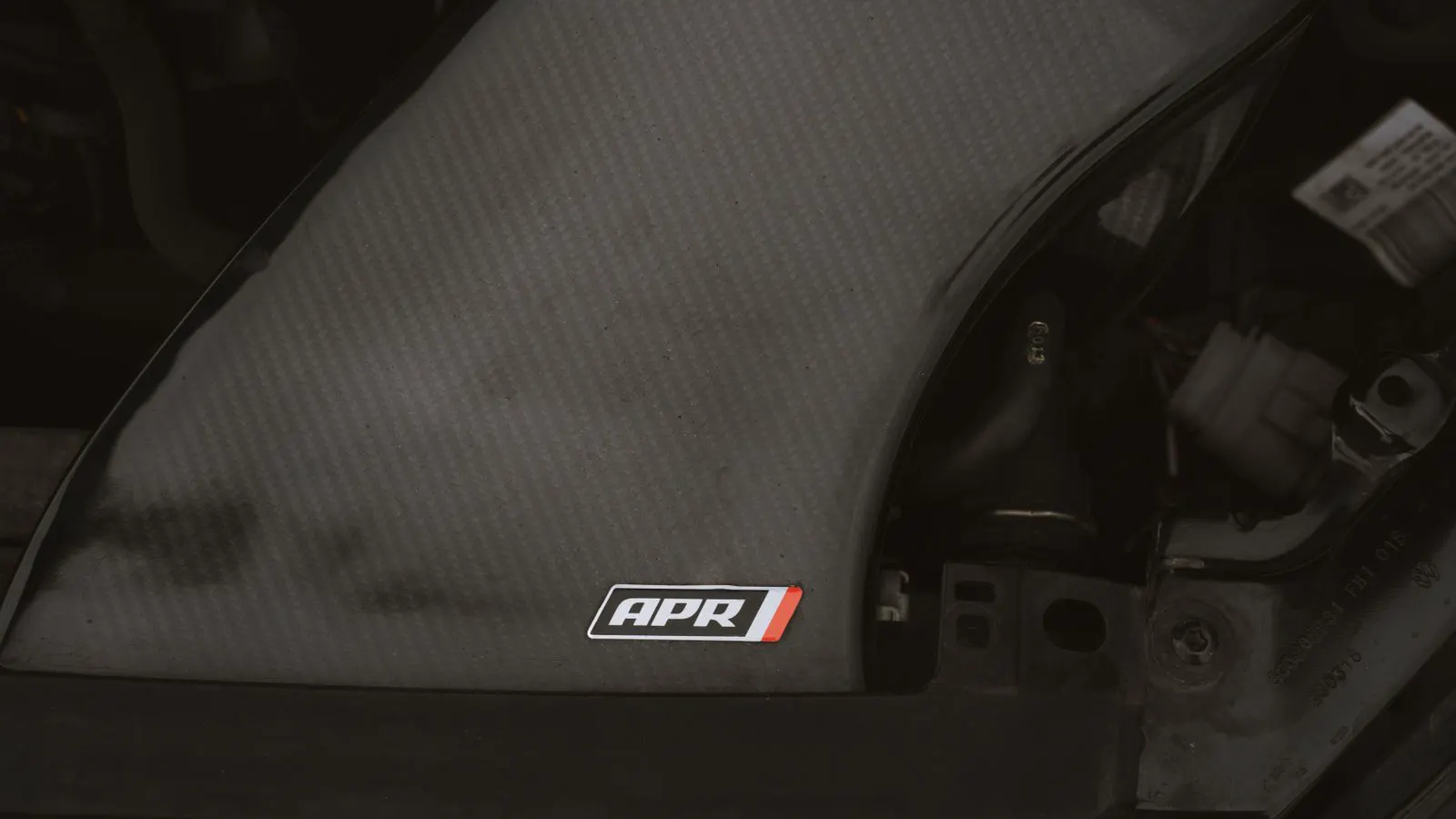
Carbon fiber can produce a clean, visible weave pattern. This is desirable for premium automotive and marine parts. Aramid has a yellowish color. This may not be suitable for visible parts. If appearance matters, consider the surface finish and the fiber type.
Processing and Manufacturing Considerations
The manufacturing process affects fiber selection. Different fibers require different layup techniques.
Layup Complexity
Carbon fiber is stiff. It resists being shaped. Molding carbon fiber panels requires high pressure or careful vacuum bagging. The resin must flow into the fiber without trapping air. This can be time-consuming. Aramid is more flexible. It conforms to molds more easily. This can speed up production and reduce defects.
Curing Requirements
The resin system dictates the cure cycle. Thermoset resins require heat and pressure. Thermoplastic resins can be molded at lower temperatures. Carbon fiber often pairs with high-performance epoxy or bismaleimide resins. Aramid can be used with many epoxy systems. The choice of resin must match the fiber and the application.
Quality Control
Carbon fiber parts are prone to delamination and voids. These defects reduce strength. Rigorous inspection is required. Ultrasonic testing and optical inspection are common. Aramid parts are less sensitive to minor defects. The fiber toughness helps absorb small flaws. This can simplify quality control.
Hybrid Approaches and Alternatives
Sometimes, neither pure carbon nor pure aramid is the best solution. Hybrid layups combine the strengths of both fibers.
Carbon-Aramid Hybrid
A common approach is to use carbon fiber in the outer layers for stiffness and aramid in the inner layers for toughness. This creates a part that is rigid but resistant to impact. The outer carbon layers provide the surface finish and stiffness. The inner aramid layers absorb energy. This is effective for structural panels and protective components.
Glass-Aramid Hybrid
For lower-cost applications, mixing glass fiber with aramid can improve toughness without the high cost of carbon fiber. Glass fiber provides stiffness. Aramid adds impact resistance. This combination is used in marine hulls and industrial parts.
Basalt Fiber
Basalt fiber is a mineral fiber made from volcanic rock. It is cheaper than carbon and aramid. It offers moderate stiffness and strength. It is used in non-critical structural parts where cost is a priority. It does not match the performance of carbon or aramid.
Recycled Fibers
Recycled carbon fiber is becoming more common. It is produced from scrap carbon fiber. It has lower strength than virgin carbon fiber. It is suitable for non-structural parts and cosmetic applications. It reduces waste and cost.
Final Selection Criteria
The final choice depends on the specific requirements of the project. Engineers should evaluate the following factors:
- Load Type: Is the part primarily under tension, compression, bending, or impact?
- Weight Limit: Is there a strict weight target? Carbon fiber usually wins here.
- Impact Resistance: Will the part face collisions or drops? Aramid is preferred.
- Cost Budget: What is the total cost of ownership? Consider processing and tooling.
- Thermal Environment: Will the part face high heat? Check resin and fiber limits.
- Surface Finish: Is a visible weave pattern required? Carbon fiber is often used for this.
- Regulatory Standards: Are there industry standards for the application? Check compliance requirements.
By evaluating these factors, engineers can select the right fiber. The goal is to match the material to the function. This prevents over-engineering and under-engineering. It leads to a reliable, cost-effective composite part.
Frequently asked questions
Which fiber is stronger, carbon fiber or aramid?
Carbon fiber has higher tensile strength and stiffness. Aramid has higher toughness and impact resistance. "Stronger" depends on the type of load.
Can carbon fiber and aramid be mixed in the same part?
Yes, hybrid layups are common. Carbon fiber is often used in the outer layers for stiffness, and aramid in the inner layers for impact resistance.
Is aramid fiber cheaper than carbon fiber?
Raw aramid fiber is generally less expensive than carbon fiber. However, total cost depends on processing, tooling, and production volume.
What is the main disadvantage of carbon fiber?
Carbon fiber is brittle. It can crack or delaminate under impact. It is also more expensive to process and handle than aramid.
How do I decide which fiber to use for my project?
Identify the dominant load type. If stiffness is critical, choose carbon fiber. If impact resistance is critical, choose aramid. Consider total cost and processing requirements.